Novel non-pyrophoric organolithiums for synthesis
Sponsored by  Merck2026-03-16T11:30:00
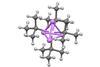
New, improved formulations of frequently used organolithium reagents that improve on safety, prevent pyrophoric reactions and improve shelf life
Organolithiums play a pivotal role in modern chemical synthesis, and are extensively used across various industries including pharmaceuticals, chemicals and agrochemicals. However, the most commonly used organolithiums in synthesis – t -butyl and n -butyl lithium (t -BuLi and n -BuLi) – create significant safety hazards due to their pyrophoricity and extreme sensitivity towards air and moisture.
Download now to discover how this was achieved and how these novel formulations maintain, and in some cases improve, the efficacy of organolithium reagents in a variety of reactions, including C-H lithiation, nucleophilic substitutions and halogen exchanges.
Key insights:
- No pyrophoric risk – validated by EPA’s SW-846 Test Method 1050
- Bench-stable for easy handling
- Effective in C–H lithiation, nucleophilic substitutions, SN Ar, additions, halogen exchange and more
- Compatible with KOt Bu, TMEDA, and other common additives
- Offers a longer shelf life than conventional formulations