James Urquhart
James is a freelance science journalist and writer based near Edinburgh. With a background in biology, science communication and history of science, James' interest in chemistry have grown over his years' of contributing to Chemistry World since 2006. He has previously worked for New Scientist as a video and multimedia producer and he also writes about nature and the outdoors, so he can often be found wandering the mountains of Scotland with a camera close to hand.
 Research
Tool for designer disordered proteins unentangles their function
Mysterious structure–function relationship of intrinsically disordered proteins probed by machine-learning platform
 Research
Is this painting of a Roman emperor a lost Leonardo da Vinci?
Pigment analysis sheds light on Renaissance painting mystery
 Research
Covalent drugs just got a new ‘spring-loaded’ warhead
Sulfur(IV) reagent allows late-stage installation of bicyclobutanes to drug molecules, expanding a limited tool box
 Research
Paint in buildings a huge reservoir of PFAS waiting to enter the environment
Decades worth of chemicals stored in paints that have been applied to homes and businesses
 Research
Methane zapped into plasma bubbles makes low-emission methanol
Process offers greener, electrified route to important feedstock chemical
 Research
Textiles with ‘water shield’ nano-coating can be cleaned without detergent
Self-cleaning coating could cut water use and reduce release of microplastics
 Research
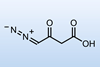
Elusive ‘dark matter’ diazo compounds captured from a human lung pathogen
Discovery might lead to simpler, safer ways to make diazo-based reagents
 Research
Self-synthesising RNA strand offers clues to life’s origins
RNA strand, made of just 45 nucleotides, performs two key reactions required for self-replication
 Research
Engineered enzymes could boost amide bond-forming efficiency for drug synthesis
Approach offers greener route to amide-containing drugs via aldehydes
 Research
AI flexes its protein design muscles for harsh environments
‘Creative architect’ can produce proteins that are four times stronger than natural counterparts
 Research
Chemistry and AI pushes biosignature detection for life back billions of years
Combining analytical chemistry with machine learning doubled the age of ancient rocks that can be examined for signs of primordial life
 Research
All stirred up: chemical engineers refute claims that ‘stirring doesn’t matter’
Failing to mix reactions in heterogeneous or industrial systems could cause numerous issues and might even be dangerous, preprint claims
 Research
Tale of Britain’s post-Roman economic crash overturned by ancient metal pollution discovery
Analysis points to metal-working industry continuing long after Romans left
 Research
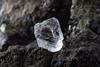
Electron irradiation converts hydrocarbon crystals into nanodiamonds
Flawless nanodiamond synthesis that wasn’t thought possible accomplished by transforming adamantane
 Research
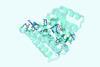
AI method makes designer binders for ‘undruggable’ proteins
Technique can create molecules that target disordered regions of proteins and peptides
 Research
Engineered microbe could clean up persistent oil pollution hotspots
Bacterium can break down five hydrocarbon pollutants into harmless compounds
 Research
One of the biggest questions in Mars science may have been answered by the Curiosity rover
Mystery of where all the carbon dioxide went that once made the red planet far more hospitable has puzzled scientists for years
 Research
Could ‘woolly’ mice put mammoths on the path to de-extinction?
Scepticism that mice with mammoth gene edits could ever lead to a viable animal in elephants
 Research
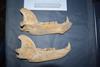
Medieval bear’s teeth shed light on historic heavy metal pollution
1000 years ago, a bear died after falling down a cave shaft in Romania’s Carpathian mountains. Was lead poisoning to blame?
 Research
AI inspired by AlphaFold can predict chromatin structures found in chromosomes
System could help unravel how genome folding influences genes