
A recent lawsuit filed against Syngenta in the US state of California alleges that a man’s cancer was caused by exposure to the herbicide atrazine. The suit also contends that Syngenta knew, or should have known, that its atrazine products increased cancer risk, and failed to warn users of that risk. On the face of it, that’s a serious accusation of negligence, but the detail of this and similar cases reveals that they rest upon some nuances of chemical regulation and risk assessment.
Over the last year or so, the same law firm – Wisner Baum – has been involved in similar suits arguing that Bayer–Monsanto failed to warn users of glyphosate herbicides about potential cancer risks. In late June, the US Supreme Court ruled that federal laws on pesticide labelling take precedence over individual states’ requirements, meaning states can’t require cancer warnings on official product labels in cases where the US Environmental Protection Agency (EPA) does not recognise the cancer risk.
The EPA classifies both atrazine and glyphosate as ‘unlikely to cause cancer’. So Syngenta and Monsanto would seem to be in the clear. However, states can still make their own assessments independently of the regulator. The World Health Organization’s International Agency for Research on Cancer (IARC) has deemed both chemicals to be ‘probably carcinogenic’. Under Californian law, that automatically qualifies them to be added to the state’s ‘Proposition 65’ list of chemicals ‘known to cause cancer or reproductive toxicity’, which in turn requires companies to warn Californian residents about exposure risks.

For these reasons, the latest atrazine lawsuit specifically targets Syngenta’s ‘advertising, training, sales communications and other channels outside federally approved pesticide labels’, arguing that companies have failed to meet their obligations under Californian law even if the federal regulator says the products are safe. Wisner Baum is continuing to pursue glyphosate suits on the same basis, arguing that Bayer–Monsanto was required to warn users through its non-label communications in relevant states.
The EPA and IARC have different classifications because they apply different criteria for risk. The EPA assessment takes account of exposure levels from normal use, whereas IARC uses hazard potential – whether a substance could cause cancer under any circumstances, regardless of exposure levels. Its ‘probably carcinogenic’ assessment means there is limited evidence of an association between the chemical and cancer in humans, combined with sufficient evidence that it can cause cancer in laboratory animal models.
IARC released its assessment of atrazine in November 2025. California gave notice of its intent to add atrazine to the Proposition 65 list on 9 October, and Wisner Baum’s lawsuit was filed on 12 October.
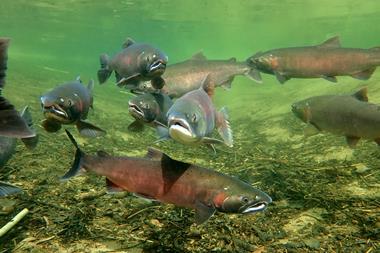
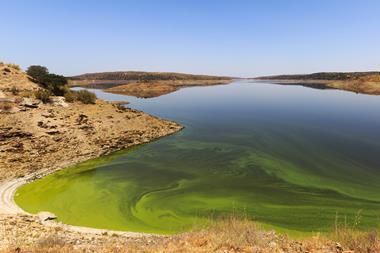
In the UK and EU, atrazine has been withdrawn from use since around 2004–2007, although not on grounds of causing cancer in humans. The withdrawal was because of high levels of runoff into surface and groundwater, exceeding limits for total pesticide levels (of any kind) in watercourses. Because of atrazine’s persistent nature, even over a decade after the products were withdrawn, levels in groundwater still exceeded EU thresholds in numerous places. The US EPA proposed additional measures to mitigate atrazine runoff into watercourses in 2024, but these measures have been widely criticised by environmental groups, to the extent that several have filed a lawsuit aiming to compel the EPA to enact tighter controls to protect aquatic life from the effects of atrazine, which in many ways are more firmly established and agreed upon than its effects on humans.










No comments yet