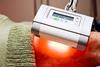
Treatments based on molecules that are activated by light and ultrasound could help treat cancers and infections

Emerging medical treatments based on molecules that are activated by light and ultrasound could play an important role in the treatment of various cancers and bacterial infections. India needs to adopt supportive regulatory and policy environments for these therapies to fulfill their potential in the clinic.

Photodynamic therapy

Photodynamic therapy (PDT) is a non-invasive technique used in the diagnosis and treatment of some cancers and other diseases.1 It involves the use of molecules called ‘photosensitisers’ that enable tumor diagnosis (bioimaging) or that kill cancer cells after activation by light. PDT causes minimal damage to the nearby tissues and is generally performed over several sessions without requiring a hospital stay.

Commonly used photosensitising drugs approved by US Food and Drug Administration (FDA) for for specific applications of PDT are: verteporfin, aminolevulinic acid and porfimer sodium. Verteporfin is used for eye conditions particularly, age related macular degeneration and eye cancer. Aminolevuinic acid is commonly used as photosensitising agent for skin cancer and fluorescence guided surgery in PDT. PDT can also be used for antimicrobial applications to fight bacterial and fungal infections, and can be combined with other cancer treatment methods like chemotherapy, radiotherapy or surgery.

PDT is employed for the treatment of eye conditions and retina damage by several hospitals across India. Alternate names of PDT are: photoradiation therapy, phototherapy, or photochemotherapy. It is also used for other skin conditions such as acne, warts, psoriasis apart from skin cancer, bladder, lung and esophageal cancer.

Sonodynamic Therapy

Another emerging modality for cancer treatment is sonodynamic therapy (SDT).3 This involves exposing target tissues to a non-toxic chemical (sonosensitiser) and low-intensity focused ultrasound. SDT enables site-specific cytotoxicity by producing reactive oxygen species (ROS) in response to ultrasound.

SDT offers several compelling advantages that position it as a transformative approach for cancer and infectious disease management. Unlike conventional chemotherapy or radiotherapy, SDT achieves selective cytotoxicity confined to the sonicated region, minimising systemic toxicity. The ability of ultrasound to penetrate deep tissues enables treatment of tumours that are inaccessible to PDT. The spatiotemporal control of sonosensitiser activation reduces collateral damage to surrounding healthy tissues, which is particularly relevant for head-and-neck and oral cancers, where functional and aesthetic preservation is critical.

SDT can serve as an adjunct approach to standard cancer therapies and when repeat therapy is challenging because of toxicity. Along with oncology, SDT shows promise in treating bacterial infections,4 especially those associated with resistance or biofilm formation. The reactive oxygen species generated during SDT can disrupt bacterial membranes and biofilms, enhancing susceptibility to antibiotics. Such non-antibiotic antimicrobial approaches are of growing importance in the context of rising antimicrobial resistance. Combined with ultrasound-targeted delivery systems, such as nanodroplets or microbubbles, SDT could provide localised antibacterial action in infected wounds, dental infections, or implant-associated infections without systemic drug exposure.

Drug–Device Combination and Regulatory Pathways

SDT exemplifies a drug–device combination product in which the therapeutic effect arises from the co-localisation between a chemical agent (the sonosensitizer) and a physical stimulus (ultrasound). The regulatory pathway for such technologies typically requires coordinated evaluation of both components. For example, the United States-FDA has dedicated centers with regulatory expertise on various therapeutic modes. First, the agency determines the primary mode of action for the therapy. Then the center with expertise in the primary mode of action takes the lead in coordinating the review and approval of the product, with focused inputs from other centers, whose experts function as consultant reviewers. Similar frameworks exist in the European Union’s medical device regulation for devices integrated with medicinal substances.

However, in India the regulatory mechanisms for combination products remain fragmented. The Central Drugs Standard Control Organisation (CDSCO) primarily regulates drugs and medical devices separately, and the absence of a clear pathway for hybrid technologies creates bottlenecks in translation. For emerging therapeutic technologies such as PDT and SDT, harmonised regulatory guidelines defining standards for preclinical safety, dosimetry and clinical efficacy are urgently needed. Development of national reference standards and preclinical testing facilities dedicated to ultrasound or light-mediated therapies would accelerate innovation while ensuring safety.

Policy Changes and Enabling Ecosystem in India

Typically, the cost of PDT sessions in India remains high varyingbased on factors like tumour type, size and location. The treatment is generally only available in selected private and government-run medical hospitals, and administered to patients using specialised medical equipment and trained staff. PDT is less popular in India due to the lack of specific guidelines and general awareness. CDSCO and the National Medical Commission may come forward and jointly develop the guidelines for safer use of PDT drugs, light sources and general awareness about PDT across the country.

To realise the potential of PDT and SDT, policy-level changes are necessary, including a long term-vision for the Indian clinical context. First, integration of combination product regulations within the CDSCO framework is essential. A joint review mechanism between the Drug Controller General of India and the Medical Device Division could streamline approvals for drug–device hybrids.

Second, creation of translational ultrasound research centers with good manufacturing practice-compliant processes and acoustic safety testing capabilities would enable greater success in technology translation.

Third, the inclusion of therapeutic technologies using ultrasound or light in national health innovation missions, such as Biotechnology Industry Research Assistance Council or Department of Biotechnology programmes, can foster academia–industry partnerships for broader impact.

Finally, public awareness and clinician training in emerging non-invasive therapies, once their clinical efficacy is proven, should be prioritised through medical education curricula and continuing medical education programmes.

PDT and SDT align with the unmet clinical need for affordable, minimally invasive, and locally manufacturable therapeutic solutions. Establishing a clear regulatory and policy framework for such drug–device combinations will not only accelerate clinical translation of these technologies, but also position India as a global leader in next-generation therapeutics.