More features – Page 22
-
 Feature
Experimenting on superheavy elements | The element makers
The periodic table has now grown to 118 elements. We met some of the people who make them to find out how they do it, and what they will be doing next
-
 Feature
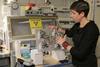
The element makers
The periodic table has now grown to 118 elements. We met some of the people who make them to find out how they do it, and what they will be doing next
-
 Feature
Data on demand
Chris Chapman looks at how researchers are overcoming the challenge of accessing analytical data across multiple systems
-
 Feature
2Heavy drugs gaining momentum
With the first approval of a drug containing deuterium looking imminent, Nina Notman surveys the deuterated drug landscape
-
 Feature
In or out?
On 23 June, UK citizens will be asked whether they want to remain in the EU. What will the consequences be for science? Jon Cartwright finds out
-
 Feature
Switching mindsets
The promise of molecules that photoswitch is increasingly rich, especially in biomedical applications, Andy Extance finds
-
 Feature
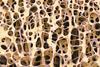
Building better bones
Can we make biodegradable materials strong enough to support the human body yet porous enough to allow real bone tissue to regenerate? Hayley Birch finds out
-

-

-
 Feature
The fleeting frontier
Andy Extance finds out how chemists are studying processes lasting trillionths of a second – and even less – using laser-based pump–probe experiments
-
 Feature
Plastic problems
Tiny pieces of plastic may be doing as much harm in our oceans and waterways as the big stuff, finds Nina Notman
-
-
 Feature
Going up in vapour
As research suggests that e-cigarettes may expose vapers to harmful chemicals, Rebecca Trager finds that governments are catching up with regulations
-
 Feature
Living colour
Fluorescent protein probes can illuminate cells’ inner workings, but making them takes effort – and luck, as Andy Extance discovers
-
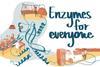 Feature
Enzymes for everyone
Can scientists overcome enzymes’ fragility and exploit their speed and specificity? Fiona Case investigates
-
 Feature
Soft robots get a grip
Rachel Brazil looks at how chemists are helping make robots with a more gentle touch
-
 Feature
Potash on a megascale
A new mine could produce up to 20 million tonnes of potash each year and provide 1000 jobs – but it’s in a national park. Michael Freemantle reports
-
-
 Feature
The white stuff
With potential health concerns raised over nanosize forms of TiO2, Emma Davies explores the ubiquitous white pigment’s past, present and future
-
 Feature
Molecular machines
Victoria Richards investigates the world of artificial molecular machines