‘The US is no longer playing by the rules [and] China has not been playing by the rules for some time.’ This quote came from David Buckby, a Wood Mackenzie analyst consulted for Anthony King’s report on Ineos and others’ claims that foreign producers are dumping chemicals on the European market at prices so low that domestic producers cannot compete.

The chemicals industry has always been cyclical; demand for chemicals is closely coupled to overall economic ebbs and flows. When global economies slow, demand – and hence prices – will drop. Producers will generally weather these periods by running plants at lower capacity, making lower profits (or even small losses) but maintaining the plants’ integrity to ride out the downcycle until demand picks up again.

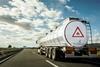
Tanker truck with flammable cargo

Source: © Lalocracio/Getty Images

Anti-dumping measures could provide some short-term relief from acute threats in specific areas, but will do little to change the general competitiveness of Europe’s chemicals sector

This assumes that the historical long-term trend of growth in demand for chemicals will continue. But if the rules have changed, this strategy may no longer be effective. 

Buckby was referring to trade policies in the world’s two biggest superpowers, which have pivoted away from globalised trading systems to become much more protective of domestic industry. China has, for several years now, prioritised a shift from being a large importer of basic chemicals to becoming self-sufficient and and exporter. State subsidies have supported construction of large, efficient, integrated chemical plants, at a time when demand for chemicals in the rest of the world has not kept up with the growth in supply, further prolonging depressed prices across the sector.

Facing excess global supply of many basic chemicals, and with little prospect of China’s industry backing off production to raise prices, the US has responded with massive trade tariffs. These are intended to deter imports and allow its own chemicals industry to maintain production and profitability, taking advantage of cheaper feedstocks and lower energy costs than European rivals. That has left Europe, along with other markets like South Korea, and others across southeast Asia, bearing the brunt of the supply glut.

This is what has led to claims of ‘economic dumping’ in the EU. Ineos and others say it has gone beyond normal market competition, and imports are being sold at artificially low prices, in ways that threaten the viability of local producers. China has previously exploited a strategy of aggressive competition on price to displace foreign producers and gain control of supplies of various materials – including rare earths and strategic metals.

Governments must therefore decide how serious the threat is, and how strongly they wish to respond. But while anti-dumping measures may provide some short-term relief for domestic industry, they feel like a flimsy sticking plaster over the much bigger problem of long-term competitiveness.