Beyond labs and lecture theatres, I found science in my culture
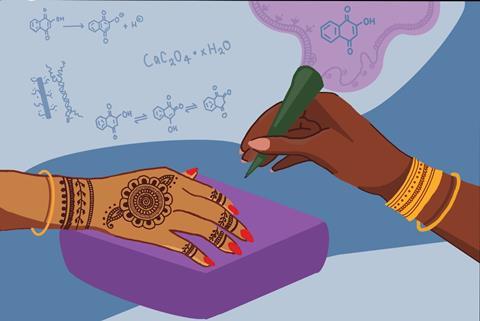
As a child, I was intrigued by henna, a natural dye used to decorate the skin. I remember my family gathered together a couple of nights before a wedding while a henna artist carefully applied the paste, ground from the leaves of the Lawsonia Inermis plant, onto our hands. The idea of waiting for this dark paste to dry on my skin, washing it off hours later, and waking up to intricate reddish-brown patterns on my palms felt more like magic than science. Back then, that mystery was part of the fascination so I never questioned the process beyond impatiently asking ‘can I wash it off yet?’
Years later, during my first term studying chemistry in the UK, I found myself aboard the Great Western Railway, desperately trying to steady a henna cone while sketching designs onto my friends palms to the soundtrack of quiet passenger chatter. In hindsight, doing henna on a moving train was not my most technically sound decision, but I could never resist an opportunity to share a piece of my culture with my friends.
It dawned on me that my first few weeks in the UK and at university had felt like freshly applied henna: exciting, full of promise, and, admittedly, a little messy. The thrill of using unfamiliar lab equipment and the newfound freedom of university life quickly faded, leaving what felt like henna’s disappointing orange stain.
The once crowded lecture theatres faded into scattered students and empty rows. Our vibrant flat kitchen grew quieter each weekend as late night conversations turned into trips home and evenings spent behind closed bedroom doors.
Like henna, chemistry rarely reveals a clear picture all at once
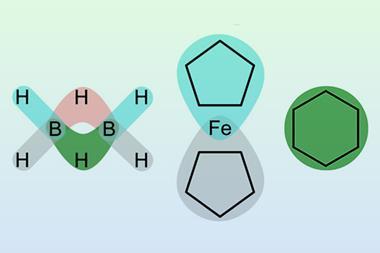
During those quieter weeks, I spent more time alone with my notes than expected. Molecular orbital diagrams covered pages of my notebook, their overlapping shapes as intricate as darkening henna patterns.
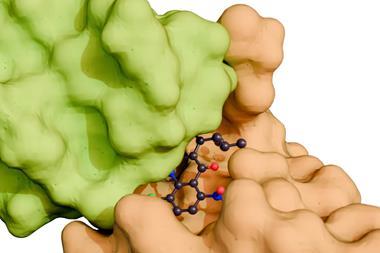
I realise now, that like henna, chemistry rarely reveals a clear picture all at once. As the dye molecule in henna binds to keratin and darkens through oxidation, concepts that once felt abstract gradually deepened, making more and more sense.
Henna also reminded me that chemistry was never confined to lecture theatres and lab benches, but existed in traditions I had grown up with long before I understood the science behind them. Even the lemon juice we often dabbed on afterwards had a chemical purpose: its acidity helped catalyse the reaction. Like henna binding to skin, chemistry had silently threaded itself into my culture without me realising it.
Henna became something I could carry with me when I couldn’t carry home. It became a way of making university feel more familiar, by bringing a piece of myself and my culture into it. More than anything, it became something I could share with others and a source of some unexpectedly fun memories along the way.
Against all logic, a shaky train carriage was where I had reclaimed chemistry.





No comments yet