And in the air – an unrecognised exposure route for aristolochic acid nephropathy

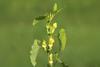
Aristolochia clematitis

Source: © Hengdi Zhao et al/Science/AAAS

Aristolochia clematitis contains compounds that can produce severe kidney problems

Over 60 years ago, case reports revealed two mysterious maladies afflicting patients in multiple countries.1-3  In 1956, Bulgarian nephrologist Yoto Tanchev and colleagues detailed a renal disease striking down regional patients that would come to be known as Balkan endemic nephropathy (BEN).2 Thousands of miles away in China, doctor Songhan Wu in 1964 described a pair of patients suffering from acute renal failure after ‘excessive intake’ of a particular plant – Aristolochia manshuriensis.1,3 

While these particular Aristolochia cases were not widely known at the time, kidney disease linked to herbal preparations (in which many Aristolochia species have a long history) became known in the early 1990s as Chinese herbal nephropathy (CHN) due an nephropathy epidemic in Belgium.2-4 Milenko Ivić pointed to Aristolochia clematitis contaminated wheat as a possible cause of BEN in 1969, with the weed and wheat often field neighbours.2,5,6 

Firmly connecting BEN and CHN to Aristolochia – and each other – took decades of work, despite the conditions presenting strikingly similar symptoms – interstitial nephritis advancing to end-stage renal disease, with 30-40% of patients also developing urothelial cancer.1-3,6-8 CHN appears to progress more rapidly in an acute type presentation, while BEN appears chronic, with a decade or more until terminal kidney failure. The nephrotoxicity and carcinogenicity of Aristolochia species is chiefly due to aristolochic acids (AAs), leading to a single term routinely used to encompass CHN and BEN – aristolochic acid nephropathy (AAN).6,8-11

Tracking down the cause

Two key causative agents behind ANN are AA-I and AA-II, along with their genotoxic metabolites aristolactams (ALs) I and II.7,10-12 Though products that contain AAs are the subject of bans and restrictions worldwide, there are a litany of ways individuals can acquire – or be exposed to – AA-containing materials. Research into AA exposure in the Balkans illustrates various exposure routes. BEN has been described as ‘the chronic poisoning of the regional population with small amounts of aristolochic acid’, with A. Clematitis contaminated wheat and other crops being the significant agent.2,12-14 Contributing significantly to AA exposure pathway knowledge is a team of researchers from China and Serbia, which has demonstrated the widespread presence of AAs in endemic areas. Researchers found AAs in various crops, soil and groundwater sources.13,14 Most recently, this team was the first to demonstrate a previously unrecognised exposure route – the inhalation of contaminated air.12

The researchers sampled well-known air pollutant and pollen stops – honey, face masks and outdoor surfaces such as fence tops and window frames. Honey was sourced from two weekend markets in Niš, Serbia while face masks worn by volunteers during A. clematitis’ flowering season for different durations and at different distances from the plant were collected in a single summer from nearby Brestovac. Outdoor surfaces in Niš and four villages were swabbed over the course of two summers. The researchers also conducted burn experiments, ‘given that A. clematitis weeds are often burned alongside wheat remnants for cooking, heating, and fertilizer production’.12  

The team used its established liquid chromatography–tandem mass spectrometry (LC–MS/MS) protocol with the MS operating in multiple reaction monitoring mode for quantitative analysis of the key agents that cause aristolochic acid nephropathy. Noted by the researchers as ‘the most carcinogenic member of the aristolochic acid family’,12 AA-I was detected in three samples out of 42, with two samples being far above the minimum quantification limit of 143pg/g. Though the other targeted compounds were not detected, this is the first report of an AA being detected in honey. 

New exposure routes

AA-I was detected in all face masks worn by volunteers at all study distances downwind from A. clematitis, with the amount of AA-I accumulated at each distance also dependent on duration of exposure. AA-II, AL-I, and AL-II were not detected in face mask samples. Of 261 outdoor surface swabs tested, AA-I was found in 60 samples while AA-II, AL-I and AL-II were detected in 5, 12 and 3 samples, respectively. A sample of a window frame adjacent to a flowering A. clematitis clocked the highest AA-I amount – 2470pg per swab. 

AAs were not found in samples of burn experiment smoke collected onto polytetrafluoroethylene filters from the burning of mixtures of wheat and A. clematitis, but AL-I was detected. Researchers note this is likely due to ALs having much lower boiling points than AAs – in the 400°C range, close to the experimental burning temperature, compared to AAs’ 600°C range. ALs were not detected in honey and mask samples, with researchers point to A. clematitis burning particles as a source of the ALs detected on outdoor surfaces. 

These results suggest individuals could be inadvertently exposed to AAs by the very air they breathe. As the researchers point out, further investigation is needed to fully assess public health implications and to develop public health strategies.