The desire to hone-in on and eradicate pain – rather than just reduce it – has long been a target of medicine. But the reality of doing so has presented countless obstacles for experts. Anyone who has suffered with chronic pain will understand that it can be a stubborn condition to treat, particularly due to the complexity of the nervous system and the body’s uncanny ability to obscure sources of pain, making diagnosis difficult and time-consuming.
As with many other illnesses, the key to treating conditions defined by pain could be to look to nature: in this case, the ocean. Our tumultuous, dynamic sources of water have often been referred to as a vast ‘untapped’ source of pharmaceutical innovation, offering renewed hope and promise.
The scale of the task is not to be underestimated, however. Treatments for diseases like diabetic neuropathy or trigeminal neuralgia can have a wide range of side effects and efficacy depending on the individual. In extreme cases, opioids are used – however their effectiveness as a long-term treatment is unclear and the risks of dependency can outweigh the benefits.
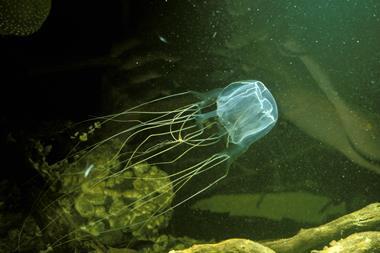
From cone snails to jellyfish, researchers are looking to marine venoms to treat some of the most difficult chronic pain conditions, as well as working to find non-opioid alternatives for painful neuropathic conditions. Join us for an hour-long webinar exploring the latest developments in this field from the scientists working to adapt these venoms for therapeutic use.
During this webinar our speakers:
- Give an overview of animal venoms as a powerful resource for drug discovery, with a focus on peptide therapeutics that modulate pain circuits
- Look at recent work on venom-derived toxins that mimic the human hormone somatostatin, revealing a new class of pain therapeutics that selectively target the somatostatin receptor 4
- Explore the latest drug delivery technology enabling safe delivery of tetrodotoxin and saxitoxins, resulting in very prolonged local anesthesia
Helena Safavi

Daniel Kohane