Physical chemistry – Page 11
-
 Research
AI flies solo to optimise an organic photovoltaic device
High-throughput workflow guided by artificial intelligence identifies parameters to maximise power conversion efficiency
-
 Opinion
One year on from ChatGPT’s launch does it offer hope or hype for science?
Chatbots could help chemists but their limitations need to be understood
-
 News
NewsArtificial intelligence could ‘revolutionise’ chemistry but researchers warn of hype
Survey of European scientists sees them stress the importance of human experts in chemical research
-
 Research
Superheavy elements forged in giant stellar collisions
Nuclei with mass numbers above 260 are produced in r -process events
-
 News
NewsLandmark intellectual property ruling could offer new opportunities for chemists working with AI
UK court’s decision that an artificial neural network can be patented could have widespread ramifications
-
 Careers
Online resources for chemists
A selection of tools, databases and advice sites to support your research
-
 Research
Machine learning tool fed red wines’ chemical profiles can deduce where they’re from
Statistical tool matches wines to their estates with 100% accuracy
-
 Whitepaper
Accelerating scientific discovery with cutting-edge computing
Learn how to accelerate discovery in chemistry and materials science by integrating the latest breakthroughs in High-performance computing, AI and quantum computing
-
 Research
Robotic chemistry lab joins forces with Google AI to predict then make new inorganic materials
Algorithm discovered more than 2 million inorganic structures
-
 Opinion
Bonds are the ties that bind chemistry
Those seemingly simple sticks belie our most complex concept
-
 Feature
When a bond gets too extreme
Chemical bonds are part of the way chemists rationalise the behaviour of atoms in the conditions of the world around them. Tim Wogan looks at how they are affected when those conditions change
-
 Opinion
Do bond classifications help or hinder chemistry?
Ionic, covalent, metallic and more… but there’s debate about whether bonds are real at all
-
 Feature
The mechanical side of bonding
Synthetic chemists are finally mastering the assembly of interlocked molecules held together by the mechanical bond, find James Mitchell Crow
-
 Opinion
Towards a unified theory of bonding
Explaining trends across the periodic table with the help of node-induced electron confinement
-
 Feature
Reaching into the non-covalent toolbox
Alongside supramolecular stalwarts, budding bonding forms are vying to be valuable, finds Andy Extance
-
 Research
‘Most slippery surface ever’ inspired by new understanding of surface roughness
Modelling and measurements reveal surprising ways slipperiness develops
-
 News
NewsFuture House wants to build an AI biologist. They’re looking to a chemistry LLM for inspiration
ChemCrow has already recorded success researching, designing and producing an insecticide on its own
-
 Research
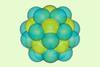
All-metal fullerene cluster made for first time
Dodecahedral structure offers new insight into metal bonding
-
 News
NewsFighting fire with fire: AI can detect phony AI-generated chemistry papers
AI detector created can distinguish human-written chemistry papers from ChatGPT-authored ones with 98–100% accuracy
-
 Research
Solvation of single sodium ion tracked in real time
First steps of solvation monitored as single sodium ions dissolve in helium droplets