Reaction mechanisms
The latest chemistry news and research on reaction mechanisms, including kinetic studies, physical organic chemistry and biochemical mechanisms, from the Royal Society of Chemistry's magazine, Chemistry World
-
 Research
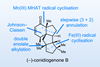
Chemists break cycloaddition ‘rule-of-five’ by simply tweaking electronic properties of molecule
Changing the substituents on a dialkene molecule influenced which bicyclic product formed during a photocycloaddition reaction
-
-
 Research
‘Flip-over’ nucleophilic substitution reaction challenges classic SN2 textbook mechanism
Team behind work say this is a reminder that even simple reactions are more complicated than they first seem
-
 Feature
Frustrated Lewis pairs mark 20 years of metal-free catalysis
James Mitchell Crow explains how an unexpected discovery in main group chemistry inspired two decades of chemical creativity, from carbon dioxide reduction to fluorocarbon recycling, offering sustainable alternatives to precious metal catalysis
-
 Research
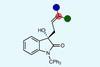
Unruly [1,2]-Wittig reaction tamed to produce products with precise stereochemistry
Stubborn rule-breaker becomes a model reaction by sidestepping radical reaction mechanism altogether
-
 Research
Ball-milled sodium provides easy access to organometallic reagent
Solvent-free organosodium is a promising alternative to lithium reagents
-
 Research
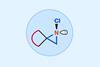
Stable nitrogen chiral centres are possible – under the right conditions
Chiral nitrogen compounds might one day be used as reagents, catalysts or even as drugs
-
 Research
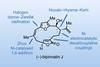
One-pot atom swap chemistry allows direct indole-to-benzimidazole conversion
Industrial chemists set to benefit from addition to skeletal editing toolbox
-
-
 Research
Reimagining synthetic strategy with skeletal editing ticks box on chemists’ wish list
Selective heteroatom alkylation offers route to modify important drug building blocks
-
 Research
Light-activated catalyst sorts mirror-image molecules by resetting carbon–halogen bonds
Photocatalytic reaction that inverts chiral centres offers new way to enrich racemic mixtures
-
 Research
Forbidden electrocyclic reactions can be more allowed than previously thought
Study suggests such reactions should instead be described as either ‘Woodward–Hoffmann favoured’ or ‘Woodward–Hoffmann disfavoured’
-
 Opinion
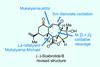
(–)-Scabrolide B (again!)
Proverbially, comparison may not bring joy – but it can be educational
-
 Research
New Wittig reaction pathway proves old dog can learn new tricks
Breakthrough offers simple way to synthesise diverse triazabutadienes with a range of applications
-
 Feature
The new signs bringing greater understanding to organic chemistry
Rebecca Trager speaks to a US team developing a sign language lexicon for chemistry concepts that combines form with meaning to make the field more accessible for everyone
-
 Research
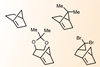
Synthetic strategies overcome Bredt’s rule, unlocking complex bridgehead alkenes
Two research groups propose new synthetic strategies for making ‘impossible’ molecules, defying a 100-year-old bonding rule
-
-
 Research
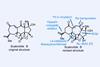
New database unlocks predictive power of radical polarity
Resource could help reduce trial and error in synthesis
-
 Research
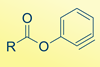
Force-sensitive molecule pulled apart to create highly reactive aryne
High-intensity ultrasound initiates formal retro-[2+2] cycloaddition by stretching a benzocyclobutene core from strategically placed anchor points
-
 Research
Designer ylide transfers single carbon atoms
Single-atom carbon transfer reagent provides the latest breakthrough in skeletal editing