Electronic materials – Page 7
-
 Research
Atom thin mirrors’ reflectivity can be turned on and off
Molybdenum diselenide layer mirrors could have optoelectronic applications
-
 Feature
Chemistry beyond Moore's Law
Can anything replace the silicon in our mobile phones and laptops? The hunt is on, reports Hayley Bennett
-
 Research
Batteries made safer with fire-extinguishing electrolytes
Non-flammable salts form a stabilising layer over anodes of lithium-ion batteries
-
 Research
Gold chains give DNA semiconducting powers
Sulfurous nucleic acid building blocks confer new electronic properties on DNA
-
 Research
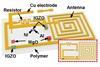
Self-destructing circuits mimic Mission: impossible tape
Transient electronics with programmable shelf-life could be handy for medicine and military
-
 Research
Microwaving black phosphorus reveals novel properties
Electromagnetic studies offer new potential uses for this elusive allotrope
-
 Research
1D nanowire is world’s worst conductor
Siloxane wires could be a handy component for nanoscale electronics
-
 Research
Fluorine turns boron nitride into a magnetic semiconductor
Fluorination could allow 2D material to be used for electronics applications in extreme environments
-
 Research
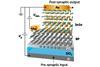
Two-way artificial synapse mimics brain chemistry
Device could lead to neural network computers but experts are concerned about its high power consumption
-
 Research
Sensor lets facial expressions do the talking
Self-healing sensor uses hydrogen bonding network to interpret facial expressions and even speech for computers
-
 Podcast
Gallium nitride
Despite early setbacks, this conducting crystal shows great promise across a wide range of electronics
-
 Research
First atom-thin magnet attracts attention
2D magnet might lead to ultra-flat data storage solutions
-
 Research
Glowing dyes move data storage beyond binary
A method to chemically save information in quaternary code using dyes could change how we approach data storage
-
 Research
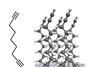
World’s smallest diode warms-up for real-life applications
Diyne is most efficient single-molecule diode ever created
-
 Opinion
From fatigue to factory
MOFs and flexible electronics have grabbed headlines and will soon be on the shelves
-

-
 Feature
Wearable technology
The future of wearable gadgets will be tiny, flexible, skin-like devices capable of monitoring your health
-
 Research
Multiple 2D materials printed into thin transistors
Cheap, printable electronics could be used to make smart labels for packaging
-
 Feature
Smartphone recycling
Although smartphones contain a host of valuable metals, getting at them is the tricky bit. Emma Davies reports
-
 Research
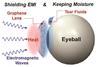
Graphene-coated contact lenses bring eye electronics a step closer
Lenses can protect eyes from radiation, water loss and even include an integral LED