China is the EU’s second-largest trading partner for goods after the US, with bilateral goods trade reaching €732 billion (£633 billion) in 2024. Chemicals make up almost 10% of goods imported into the EU from China, and China’s share of overall chemical imports into the EU has doubled from 9% to 18% between 2014 and 2024.

Europe’s trade relationship with China is therefore both hugely important and politically influential. Until recently, the EU has taken a globalist outlook and been relatively accepting of cheap chemical imports. However, that outlook is now changing – both because of a desire to distance the bloc politically from a significant ally of Russia, and because of increasingly protectionist trade policies from the US and elsewhere.

In pharmaceuticals, the EU is preparing to implement a Critical Medicines Act, to incentivise EU-based manufacturing of critical medicines and their active ingredients – many of which are currently sourced from China or India.

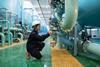
Employee inspecting chemical plant

Source: © Tianyu Wu/Getty Images

Suggestions that rules similar to the EU’s proposed Critical Medicines Act could be applied to trade in certain chemicals will be welcome as long as they arenot unneccessarily beureaucratic

There are reports of discussions around similar rules for chemicals, which would require companies to diversify their supply chains and source materials from multiple suppliers in different countries. As yet there are no formal proposals, and experts consulted by Chemistry World highlight the significant bureaucratic strain that would be involved in enforcing such a system.

European chemicals manufacturing has, for several years, been under significant strain from sustained high energy and feedstock prices in the wake of conflict in Ukraine and the Middle East. Meanwhile, China has subsidised a rapid expansion of its domestic chemicals industry in an effort to become self-sufficient, where previously it was a significant chemicals importer. The resulting oversupply of cheap imports to the bloc has kept prices low, forcing European companies to absorb their rising costs and watch their margins erode.

However, these discussions – combined with an apparent strengthening of the EU authorities’ response to complaints around economic dumping of cheap imports – suggest a greater willingness to intervene in industrial policy. Political recognition of the strategic importance of domestic chemicals manufacturing, and the need for a degree of support and protection, will be welcomed.