



This week, we discuss the two-state model of water and how science sleuths are fighting disinformation with Philip Robinson and Emma Pewsey.
This week’s headlines
Featured stories
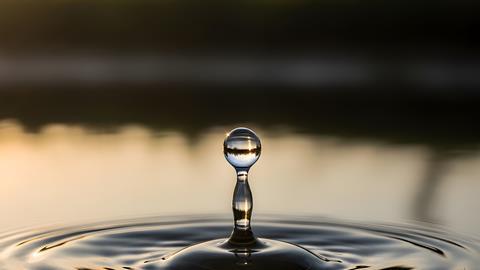
Water is far more unusual than most people realize. It doesn’t really follow the rules of a liquid; there are at least 66 different properties that water differs on compared to most other liquids, including higher than expected melting and boiling points, surface tension, and heat capacity. For decades, scientists have been working to understand the underlying mechanisms of this strange behaviour, raising the possibility that liquid water actually exists as a mixture of two different states of matter. Recently, a group from Stokholm University may have found a definitive answer for this hypothetical state once and for all.
And, research misconduct is a hot topic for academia at the moment. The increasing availability of AI-powered tools makes falsifying publications easier than ever-before. It’s a problem reaching even the most prestigious institutions, with recent high-profile cases emerging from Stanford University and the Dana-Farber Cancer Institute. But behind many of these cases is a growing network of science sleuths, aiming to restore academic honesty in the scientific community. In fact, anyone can be a science sleuth, and many are sharing their tips and tricks for how to catch instances of fraud and what to do if you encounter it.
Resources to start your sleuthing:
- Learn about best practice with the Cosig collection of open science integrity guides
- Engage in post-publication peer review at PubPeer
- Software for detecting image manipulation: ImageTwin and Proofig
- Keep up to date on the latest problem papers identified using the Problematic Paper Screener and Retraction Watch Database
We would love to hear your feedback on this new podcast, so if you have any questions or comments please get in touch.













No comments yet