


This week, we discuss vanadium’s potential in the medical field and the changes you can make in your lab to reduce your carbon footprint, with Jennifer Newton and Emma Pewsey.
This week’s headlines
Featured stories
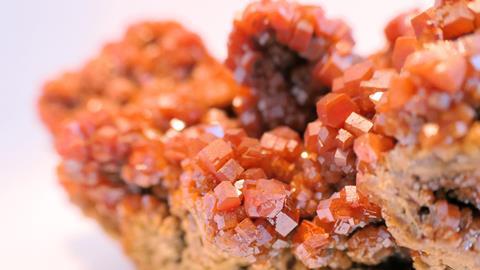
Most people don’t come across vanadium in their day-to-day life. Those that do typically work with the metal in the form of vanadium pentoxide, which is very useful as a metal catalyst, but highly toxic and must be handled with care. So, it may be hard to imagine any applications in medicine, yet this is precisely what a small section of pharmaceutical research has been focusing on for decades. From cancer to diabetes, studies have shown vanadium’s potential as a treatment for many ailments. But if it’s so promising, what’s stopping vanadium from reaching our local chemists’ shelves?
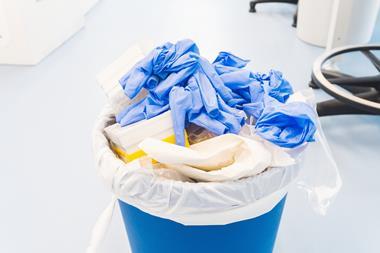
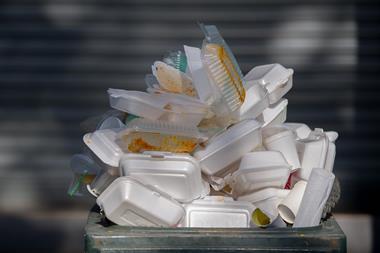
And, in light of Earth Day – this year falling on 22 April 2026 – it’s an excellent time for all of us to stop and reflect: how can we make our own labs more sustainable? Chemistry World has been digging into that question with a new collection of articles looking at how chemists are reducing research’s significant environmental impact. From water and energy use to our solvents and substrates, the series features perspectives from researchers involved in the Royal Society of Chemistry’s Sustainable Laboratories Grant – showing how small, practical changes can add up to a big impact. The collection spotlights six areas where labs can make meaningful progress, but of particular interest in this episode are water and plastics.
We would love to hear your feedback on this new podcast, so if you have any questions or comments please get in touch.












No comments yet