All Chemistry World articles in August 2016 – Page 4
-
 Business
Brexit uncertainty ripples across regulation
What might leaving the EU mean for medicines regulation, the Unified Patent Court, and the UK’s participation in Reach?
-
 Opinion
No time for grief over Brexit: we must act
The UK science community must set its priorities in a post-EU world and win over the science sceptics, says John Womersley
-
 Feature
GPS for your health
Katrina Megget discovers that where we live, work and visit can be linked to our health
-

-
-
 Careers
The stunt show
Clouds of liquid nitrogen and flamethrowers are a usual sight at the offices of Russian science and art show Artnauka, Kit Chapman finds
-
 Opinion
Science cannot ignore the impact of retracted papers
Citing withdrawn studies can lead to the persistence of discredited findings
-
 Feature
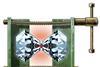
Chemistry under pressure
Bizarre and exciting findings are emerging at high pressures, finds Andy Extance
-
-

-

-
 Careers
Sizeable problem: how well women's safety equipment fits
Data source: ProspectAccording to a survey by Prospect, women in the UK who use personal protective equipment (PPE) rated trousers as the least likely item to provide a suitable fit. Of those working in research, 84% had worn PPE replaced by their employer, although 51% were expected to clean it ...
-
 Opinion
A new source of helium is good news for science
Success prospecting for helium shouldn’t halt efforts to conserve and recover this vital scientific resource
-
 Feature
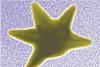
Shaping up at the nanoscale
Rods, stars or spheres? Rachel Brazil looks at the shape of things to come
-
-
 Opinion
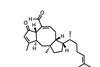
6-epi-Ophiobolin N
When it comes to cascade reactions, radicals are king of the ring-formers
-
 Opinion
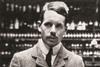
Moseley’s spectrometer
Henry Moseley’s discovery changed the face of the periodic table before his untimely death
-
 Opinion
How to make aeroplane food edible
Why food tastes worse when flying and the tricks we can use to add some flavour to our travels
-

-
 Careers
Melbourne, Australia
The world’s most liveable city is a renowned hub for biotech and biomedical research but lacks other opportunities, finds James Mitchell Crow