Biology – Page 69
-
 Research
Underwater self-healing polymer mimics mussels
Temporary hydrogen bonding network stitches damage as the material fuses together
-
 Research
Recycled fish bones offer five star sun protection
Slip-slap-slop with biocompatible material derived from waste cod bones
-
 Research
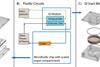
Organ–organ interactions could compound nanoparticle damage
Dual-organ simulation uncovers possible toxicity mechanisms that result in liver injury
-
 Podcast
Chemistry World podcast - July 2014
We speak to artist Briony Marshall and art detective Warren Warren about the more artistic sides of chemistry
-
 Research
Miller’s forgotten experiments point to primitive protein genesis
50-year-old test tubes hold clues to formation of peptide bonds – and life – on early Earth
-
-
 Research
Smell of malaria attracts mosquitoes
The malaria parasite changes the odour of infected mice, making them smell tastier to mosquitoes
-
-
-

-
Business
Medtronic to buy Covidien for $43bn
Tax inversion deal continues consolidation theme among medical device makers
-
 Research
Fatal toxins found in ‘edible’ wild mushrooms
Deadly kidney disease linked to one mushroom may also be caused by a related species that was thought to be safe to eat
-
News
China launches nationwide proteome project
Researchers will map the protein profiles of healthy and ailing organs
-
 Podcast
Cytochrome P450
Nathan Adams investigates some of the most important molecular machines within our cells, the cytochrome p450 enzymes
-
 Research
Spider venom pesticide 'harmless to bees'
Fusion protein kills aphids and caterpillars but doesn’t disrupt bees’ foraging instincts
-
 Podcast
Chemistry World podcast - June 2014
We speak to Tom Brown, the 2014 Chemistry World Entrepreneur of the Year, and find out why cells spend so much time doing nothing
-
Research
Squid skin conductor for bioelectronics
Transistors made from reflectin protein could bridge the gap between electronic and biological systems
-
 Opinion
We need to talk about Nagoya
Darren Smyth explains why the Nagoya Protocol could become a problem for European research
-
 Research
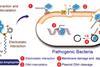
Dual warhead kills and disarms bacteria
Compound damages bacterial membrane and disables resistance mechanism in a two-pronged attack
-