Biology – Page 66
-
 Research
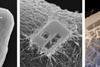
Petrified beetles
Carbonisation provides path for microstructure preservation in biological specimens
-
 Feature
The enzyme hunters
Novozymes is scouring the world for enzymes that make industrial processes more sustainable, as Mark Peplow discovers
-
 Research
Engineered bacteria synthesise palladium biosorbent
Biomolecule to help decontaminate water by recovering palladium that has escaped from catalytic converters
-

-
 Feature
From screen to cell
Nina Notman finds out how liquid crystals are moving into the biotechnology and pharmaceutical toolbox
-
 Research
Google Glass to monitor plant health
Researchers measure plant chlorophyll using leaf images
-
Business
US approves internal tissue glue
Urethane-based TissuGlu aids healing after abdominal surgery
-
 Research
GM bacteria convert solar energy to liquid fuels
Single-vessel system uses the products of water-splitting to make fuel alcohols
-
 Research
Enzyme uses internal network for cyclisation
Researchers have pinpointed individual amino acid residues involved in the production of cyclic terpenes by a plant enzyme
-
 Research
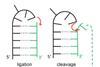
‘Early RNA’ reactions characterised
Enzyme-free linking of nucleotides suggests possible route for the synthesis of ancient RNA
-
 Research
Exploiting the chirality of DNA
DNA covalently bound to cellulose offers new perspectives in asymmetric catalysis
-
 Research
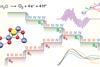
Photosynthesis takes the high road
Study aims for definitive answer to oxidation state questions in biological water splitting
-
-
News
UK announces £40m fund for synthetic biology
The government has committed £40 million to set up new research centres and fund the development of synthetic DNA
-
 Research
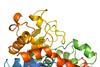
Thin film approach to biocatalysis
Researchers say consider enzymes from the start to broaden industrial applications of nature’s catalysts
-
News
Myriad calls a ceasefire in court battle over cancer gene tests
US biotech firm settles patent lawsuits involving BRCA gene tests, agrees to dismiss claims against several labs
-
Research
Tiny volcanic cracks ‘incubated’ ancient DNA
Rock pores may provide answer to mystery of how longer and longer DNA strands arose on the ancient Earth
-
 Research
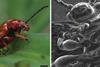
Live insects pictured with electron microscope
A protective ‘nano-suit’ made from a common detergent protects specimens in a vacuum
-
 Feature
DNA gets with the program
Molecular computing systems could improve disease diagnosis – and even hack living cells, finds Andy Extance
-
 Research
Chitosan bioelectrode sustains metabolic power to medical implants
Shrimp shell and fruit extracts improve lifespan of glucose biofuel cells