Energy storage – Page 5
-
 Research
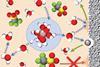
Electrolyte redesign boosts seawater battery
Anode-less system can both store energy and harvest sodium from the sea
-
 Research
Electrolytes complicate the future of aqueous aluminium batteries
Study also raises concerns related to the corrosiveness of acidic aqueous solutions used in such devices
-
 Research
Machine learning finds fluoride battery materials that could rival lithium
AI could help make new battery type that could store more energy than lithium-ion batteries viable
-
 Webinar
Broadband benchtop NMR spectroscopy: it’s more than just protons
Join us for an introduction to broadband NMR spectroscopy – and see how the Oxford Instruments X-Pulse enables applications using a wide range of nuclei
-
 Research
Photosynthesis used to power a microprocessor for over six months
System represents a breakthrough in the real-life applicability of biophotovoltaic devices
-
 Research
Wastewater from battery recycling plants mined for water-splitting catalysts
Electrocatalysts derived from metal pollutants used to generate hydrogen
-
 Feature
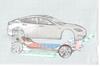
Not just batteries: The chemistry of electric cars
The materials required in battery-powered cars are providing new challenges to chemists and the chemical industry. Clare Sansom reports
-
 Webinar
Lead the charge: finding modern solutions for lithium-ion battery material characterisation
Learn how to gain novel insights into battery material thermal stability and creating more consistent slurries, allowing for improved performance and lifetime prediction
-
 Business
Battery boom time
The fast-evolving market for vehicle batteries is driving commoditisation and consolidation, but also innovation
-
 Research
Stabilisation of rare allotrope could be key to making lithium-sulfur batteries work
Gamma sulfur allows batteries to operate in conventional electrolyte without cell-killing side reactions
-
 Webinar
Shine a light on your chemistry with in-situ photo-NMR
Understand more about your photochemistry by observing molecular changes dynamically with benchtop NMR spectroscopy
-
 Whitepaper
Optimising battery electrolytes with benchtop NMR
Discover how the development, manufacturing and lifetime of next generation batteries is being optimised by benchtop NMR spectroscopy
-
 Feature
The labs pointing to a greener future for Africa
Tackling climate is not just a job for scientists in more developed countries. Munyaradzi Makoni talks to researchers in Kenya and South Africa to find out more
-
 Research
Cooking up sustainable battery materials in the microwave
Improved sodium-ion battery anodes synthesised while avoiding conventional solvents
-
 Feature
The RSC’s climate challenge
The Royal Society of Chemistry aims to use Cop26 as a springboard to a more sustainable future. Rachel Brazil reports
-
 Webinar
Optimising battery performance through materials characterisation
Discover how materials understanding is key to optimising the performance of battery technology and explore several key technologies to perform this characterisation
-
 Research
Flip battery sideways for NMR studies
By turning button batteries on their side they can be studied by nuclear magnetic resonance without removing their metal casing
-
 News
NewsTrial of hydrogen to heat UK homes and university hailed a success
Safety and practicality of blending 20% hydrogen with methane confirmed in pilot project
-
 Research
Chemical definition of brine as water could help clear up Chile’s lithium controversy
As evidence grows that lithium mining damages water sources, reclassifying brine as water – rather than as mineral – could empower Indigenous communities to protect their rights and convince mining companies to act more responsibly
-
 Feature
The long road to sustainable lithium-ion batteries
Lithium-ion batteries could save the planet from petrol-driven cars, but do the batteries themselves live up to their sustainable reputation? Katharine Sanderson investigates efforts to make batteries better