Inorganic chemistry – Page 21
-
 Research
A new recipe for black phosphorus
Chemists develop a new method to produce supported black phosphorus with applications in catalysis
-
 Research
Copper key to our sensitivity to rotten eggs' foul smell
Central role that metals play in detection of noxious sulfur compounds is unknown among any other odour receptor
-
 Feature
New MRI contrast agents
With rising concerns over gadolinium, Anthony King looks at the alternatives under development
-
 Research
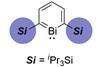
Chemists create stable bismuth benzene derivative
Bismabenzene is the first isolated derivative to contain period 6 element
-

-
 News
NewsVote rigging concerns hit chemistry society election
Society of Biological Inorganic Chemistry will hold election again in light of suspicious result
-
 Research
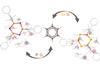
Chemists create pnictogen-based ‘inorganic benzene’
First inorganic analogues of benzene containing silicon and group 15 elements made
-
 Research
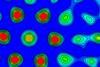
Transition metal material captures inert neon
First interaction between neon and a transition metal could lead to selective gas capture
-
 Research
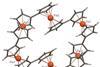
Bringing ferrocene full circle
Cyclic oligomers made from iconic organometallic compound hold possibilities for electronics
-
 Feature
The element makers: Making superheavy elements
The periodic table has now expanded to 118 elements. We meet the scientists responsible for making new elements to find out how, and what they will be doing next
-
 Feature
Where will the periodic table end? | The element makers
The periodic table has now grown to 118 elements. We met some of the people who make them to find out how they do it, and what they will be doing next
-
 Feature
Experimenting on superheavy elements | The element makers
The periodic table has now grown to 118 elements. We met some of the people who make them to find out how they do it, and what they will be doing next
-
 Feature
The element makers
The periodic table has now grown to 118 elements. We met some of the people who make them to find out how they do it, and what they will be doing next
-
 Research
New type of meteorite found in Swedish quarry
Chemically distinct 470-million-year-old rock could be part of a long-gone asteroid
-
 News
NewsExplainer: superheavy elements
How do you make a new element, how can you make sure you’ve really made it and what kit do you need?
-
 News
NewsIupac announces proposed new element names
The four new elements confirmed in January are to be named nihonium, moscovium, tennessine and oganesson
-
 News
NewsLive blog: New element names
The proposed names of the four new elements have been released. Find out what they are in our live coverage.
-
 Research
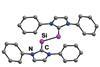
Rare mixed-valent Si2H radical isolated
N-heterocyclic carbenes used to trap subvalent disilicon hydride species
-
 Podcast
Tetraethyl lead
For decades, automobile fuel had a dangerous additive: Tetraethyl lead. Matt Gunther explains why a toxic compound was added to our fuel
-
 Research
All-metal sandwich inspires a theoretical following
Recently discovered [Sb3Au3Sb3]3– has multiple groups hunting for answers