Inorganic chemistry – Page 18
-
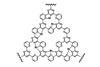 Research
Coordination trick reinvents cobalt and nickel as carbon reduction catalysts
When it comes to reducing carbon dioxide, being well coordinated is a disadvantage
-
 Research
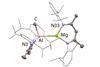
Bizarre bimetallic compounds break C–F bonds
First ever molecular Mg–Al bond constructed in study that reveals main group metal–metal bonds can readily react with aromatic fluorine
-
 Research
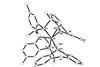
Titanium complex converts methane to alkenes at room temperature
New work illustrates the ‘crucial steps’ required for a process to make useful chemical feedstocks from methane
-
 Feature
Oak Ridge at 75
As Oak Ridge National Laboratory celebrates its 75th anniversary, Kit Chapman visits the birthplace of the atomic age
-
 Research
2D gallium stripped from molten metal
Gallenene is the first atomically thin material made by exfoliating a liquid metal
-
 Research
Germanium analogue of cyclobutadiene isolated
Polar Jahn–Teller distortion stabilises unusual molecule
-
 Research
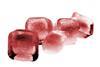
Ice cubes melt to make single atom metals
Atomically dispersed metals made by ultra-slow reagent
-
 Research
Alternative pathway to phosphorus compounds skips white phosphorus
Intermediate opens way to making pesticides and flame retardants with novel silicon–phosphorus anion
-
![Structure of [UCl4(HCN)4]](https://d2cbg94ubxgsnp.cloudfront.net/Pictures/100x67/4/5/2/135452_The-structure-of-the--UCl4-HCN-4--molecule-in-its-solid-state-compound.jpg) Research
ResearchUranium at heart of rare hydrogen cyanide complex
Turquoise powder is only second example of a hydrogen cyanide complex of a uranium compound
-
 Research
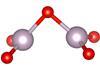
Tech red unmasked
An unusual oxide of radioactive technetium reveals its secrets after 50 years
-

-
 Research
Lightning strikes cause nuclear reactions in the atmosphere
Thunderstorms are a previously unrecognised natural source of carbon, nitrogen and oxygen isotopes
-
 Research
Chernobyl disaster mystery solved
A nuclear explosion – not high pressure steam – started the chain reaction of events that destroyed the reactor
-
 Research
Experiments confirm nickel isotope's ‘doubly magic’ status
Analysis of copper-79 reveal the secrets of its magic neighbour
-
 Research
Tagging drugs with heavy hydrogen made as easy as flicking a light switch
Photoredox reaction simplifies metabolism studies by swapping hydrogen for deuterium or tritium
-
 Research
Inorganic polystyrene gives old material a new backbone
New catalytic route opens the door to polymers made from boron and nitrogen
-
 Research
Material containing perfectly planar octacoordinate titanium predicted
Titanium falls flat in an eight-membered boron ring
-
 Research
Electro-shock treatment switches MOF on to gas separation
Electric field stops molecular wriggling and boosts natural gas separation in porous crystal
-
 Research
First boron–tellurium double bond captured
Unusual molecule features shortest boron bond to one of the rarest metals on Earth
-
 Research
Heavy elements forged by cataclysmic cosmic collision
First sighting of two neutron stars merging reveals how heavy elements are synthesised