Medicinal chemistry – Page 57
-

-
 Research
Alcoholic liver disease on a chip
Microfluidic simulation provides new platform for drug tests
-
 Opinion
The kids aren’t alright
Making it more attractive for companies to develop paediatric drugs has the potential to improve everyone’s lives
-
 Business
Clinical trial death highlights hazards
Pain drug trial has left one dead and five hospitalised in France, with little indication as to the cause of the problems
-
 Research
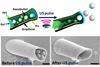
Microscopic cannon battery to blast disease
Cannon-like tubes shoot tiny bullets when triggered by ultrasound and could deliver drugs
-

-
 Research
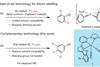
Drug labelling problems ironed out by new catalyst
Cost-effective method to tritiate compounds offers way to track drug metabolism while minimising radioactive waste
-
 Research
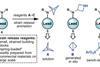
Easy addition of ‘unnatural’ strained rings boon for drug chemists
Technique can slow metabolism of medicines, giving them more time to work
-
 Business
Fixing the broken antibiotics business model
With rising resistance and doomsday warnings, focus is turning to alternative economic models to boost antibiotic R&D
-
 Research
Saliva test detects date rape drug
Detecting GHB and alcohol contaminants in saliva could mean faster treatment for ‘drunk’ A&E patients
-
Business
BioAtla and Pfizer to collaborate on antibody research
Two-way agreement to share technology and royalties on new cancer drugs
-
Business
Mexico approves world’s first dengue vaccine
Sanofi’s vaccine protects children and adults against the mosquito-borne disease
-
-
 Research
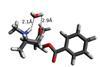
Cracking cocaine’s secret to sneaking into the brain
Researchers look to psychoactive substances for tips on drug development
-

-
 Research
Cutting edge chemistry in 2015
We take a look back at the year’s most interesting chemical science stories
-
 News
NewsReview calls for tighter controls on antibiotic use in farming
Legally binding targets are needed to tackle resistance worldwide, latest report says
-
Business
Heptares takes on new partners for drug discovery
Firm set to receive over $1bn from research partnerships
-
 Opinion
Rethinking risk assessment
Toxicologists must embrace better ways of accounting for low dose effects, argue Annamaria Colacci and Nicole Kleinstreuer