Lichen sunscreen blocks extreme UV radiation and might enhance cosmetics, materials
By  Ada McVean2025-07-09T14:32:00
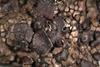
Discovery also suggests that photosynthetic life might survive on planets circling powerful stars
High-intensity ultraviolet radiation has been found to pose little trouble for a soil-dwelling lichen in the Mojave Desert. After three months of exposure to powerful UVC, the lichen still retained its photosynthetic function and cellular viability thanks to chemical shielding by its secondary metabolites. Compounds derived from these lichens could find UV-blocking applications in cosmetics, materials and agriculture and, according to researchers, provide evidence that exoplanets bombarded by intense UV light are not necessarily hostile to photosynthetic organisms.