Organic chemistry – Page 11
-
 Research
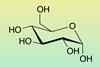
Photochemistry sheds light on the direct functionalisation of native sugars
New radical reaction reduces the number of protection and deprotection steps needed, accelerating discovery of sugar compounds
-
 Research
Pillar[5]arene gets fully furnished with bulky aromatics
Synthesis developed by pillararene pioneers overcomes steric hindrance while preserving macrocycle’s pillar-shaped structure
-
 Research
From pollutant to painkiller: hazardous halogenated wastes become a safe chlorine source
Persistent pollutants can be used to produce painkillers
-
 Research
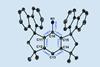
Intermediate considered ‘too reactive to isolate’ finally tamed
Nitrene species stabilised for three days with careful choice of substituent
-
 Feature
Sparking industry’s interest in electrosynthesis
Using electrons instead of reagents offers many potential benefits, but there are still barriers to overcome, as Rachel Brazil reports
-
-
 Research
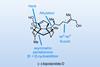
Clever activation strategy widens access to phosphazene superbases
Superbases stored as stable carboxylate salts – adding epoxide releases their full chemical potential
-
 Research
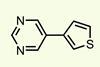
Study questions sustainability benefits of replacing palladium with nickel in cross-coupling reactions
Common belief that Earth-abundant metals are green replacements for palladium may be misleading
-
 Opinion
Will science ever reach an end?
While the rate of discoveries in any field may slow over time, the frontier creeps ever further
-
 Research
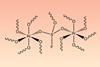
Simple preparation method improves access to long-known superacid
Aluminium tris(fluorosulfate) synthesised in a single step
-
 Research
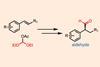
Simplified hydroformylation replaces rhodium with base metal
Bench-friendly asymmetric hydroformylation swaps toxic gas and expensive catalyst for cheap reagents and mild conditions
-
 News
NewsWhat the dichloromethane ban might mean for university labs in the US
The lab use requirements outlined in the agency’s workplace chemical protection plan are impractical for academic institutions, the ACS says
-
 Research
How A-level chemistry solved the 200-year-old problem with the haloform reaction
Mechanistic analysis reveals unknown steps in undergraduate staple, the haloform reaction
-
 Business
Pan-cancer approval shows huge potential for antibody–drug conjugates
Enhertu gains approval based on gene expression rather than tumour location
-
 Research
Porous organic ‘cage of cages’ crystalline structure predicted by computational modelling
Organic cages have been used as precursors to synthesise higher order porous structures, adding to their functionality while the ability to solution process them is retained.
-
 Research
‘Mechanochemistry strikes again’ – this time for deoxygenating phosphine oxides
Mechanochemical process works in 30 minutes under air to regenerate phosphine reagents
-
 Opinion
Lab automation gives me more time at the top of the mountain
Getting back to the bench reminds Derek Lowe how much has changed in 40 years
-
 Feature
Illuminating antiaromaticity
Aromaticity’s dark alter-ego is ready to emerge into the sunlight. James Mitchell Crow talks to the scientists trying to exploit the instability
-
 Article
Water microdroplet chemistry enables catalyst-free Diels–Alder reaction
‘Quasi-benzyne’ radical drives exotic reactivity
-
 Research
Could mechanochemistry have saved Abbott Laboratories $250 million?
Ball milling solves problem of disappearing ritonavir polymorph