All Self assembly articles – Page 2
-
 Research
Turing patterned membrane takes on water purification
Mathematician Alan Turing’s sole chemistry paper inspires self-assembling spotted and striped polymer structures
-
 Research
Remote control droplets merge on command to perform reactions
Responsive surfactants offer new ways to control chemical processes
-
 News
NewsMolecular knot gets Guinness world record
David Leigh’s circular triple helix is officially the tightest knot ever tied
-
 Research
Patchy particles with predictable patterns
Controllable, predictable method produces patchy particles on a large scale
-
 Research
Self-destructing material mimics nature
Unstable chemical system inspired by ATP-consuming cells could be programmed to release drugs
-
 Research
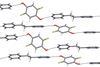
Polar solvents promote halogen bonds over hydrogen ones
Solvent decides bonding battle winner in supramolecular systems
-
 Research
Clock watching self-assembly system knows when to start
pH clock reaction and lactone hydrolysis combine to give an autonomous chemical control strategy
-
 Research
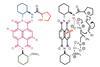
Record polyhedron boosts molecular self-assembly
New supramolecular system shape found by chance inspires improved design principle
-
-
 Feature
Supraheroes
The three winners of this year’s chemistry Nobel gave chemists the tools to make molecules into machines. Emma Stoye assembles the story
-
 News
NewsMolecular machines roll in for the 2016 chemistry Nobel
Ben Feringa, Jean-Pierre Sauvage and Fraser Stoddart take chemistry’s top gong for creating a series of nanoscale machines
-
 Research
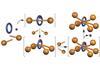
Chemists cultivate ‘macromolecular wheatsheaf’
Triply-threaded rotaxane could bind together long-chain organic molecules
-
 Research
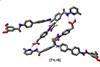
Rotaxane raises the bar for self-replicating chemical systems
Self-replicating rotaxane may open the door for autonomous chemical synthesis
-
 Research
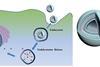
DNA inspires smart phospholipids
Liposomes made from synthetic nucleoside phospholipids could benefit drug delivery
-
 Research
Hydrogel with a basic instinct for drug delivery
Gel that releases naproxen in alkaline surroundings is promising step toward relieving drug’s side effects
-
 Research
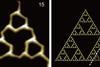
Fractal first as molecules form Sierpinski triangles
Scientists have produced a repeating triangular pattern through molecular self-assembly
-
 Research
DNA origami makes moving machines
Hinge-like structures can open and close again and again on binding of DNA
-
 Feature
Let the molecules do the talking
Using molecules rather than electronics or optics to send messages sounds far-fetched, but it’s common in nature. Nina Notman dials up some compounds and investigates
-
-

- Previous Page
- Page1
- Page2
- Next Page