Computational chemistry – Page 23
-
 Research
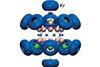
Anion confounds expectations with its electron-loving nature
A boron cluster is the first example of a dipole-distinguishing electrophilic anion
-
 News
NewsWill machine learning allow robots to take over?
How machines are adapting to solve chemical problems
-

-
 Research
Neural network provides accurate simulations without the cost
An efficient new computer brain can provide quick answers to computational chemistry problems
-
 Research
Chiral molecules could recognise each other’s spin
Charge polarisation could provide an answer to how nature can distinguish mirror image molecules
-

-
 Research
Algorithm on the nose when it comes to predicting molecules' smells
Crowdsourced model offers new insight into our sense of smell
-
 Podcast
The Master Algorithm by Pedro Domingos – Book club
Driverless cars and bloodless wars are just two of the promises of machines that learn, the subject of this month’s podcast
-
 Research
Finding a synthetic nanoparticle in a haystack
New analytical approach can detect engineered nanoparticles in the environment
-
 Research
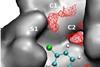
Drug binding simulations promise to get personal
Fast, reliable new molecular dynamic simulation methods set to speed up research are under investigation by GSK
-
 Podcast
Homo Deus by Yuval Noah Harari and our favourite books of 2016 – Book club
We review the bestseller, Homo deus and then the Chemistry World team discusses their favourite books of 2016
-
 Research
Cutting edge chemistry in 2016
We take a look back at some highlights from last year’s chemical science research
-
 Podcast
Big Data: Does Size Matter? by Timandra Harkness – Book club
We are destined to become just a number in a big set of numbers. We discuss the benefits and drawbacks of this
-
 Research
Titanic calculations reveal nickel isotope is ‘doubly magic’
Supercomputer confirms nickel-78 is highly stable
-
 Research
‘Artificial brain’ aces undergrad organic chemistry test
Algorithm learns chemistry just like a human and can predict the outcome of reactions it has never seen before
-
 Research
13,000-strong MOF menagerie fuels search for hydrogen storage solution
Researchers find promising hydrogen storage materials by virtually screening more than 13,000 metal–organic frameworks
-
 Opinion
Big data needs big theory
The seductive promise of huge datasets could become a big distraction
-
 News
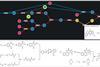
NewsSoftware could revolutionise chemistry
Computer program can tell chemists how to make new molecules from scratch
-
 Research
Quantum computer simulates hydrogen molecule
Prototype shows potential for more complex electronic structure calculations
-