Computational chemistry – Page 21
-
 Research
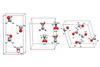
Methanol polymorphs predicted with unprecedented accuracy
Ability to map phase diagrams using quantum calculations could benefit pharma research
-
 Business
Big business computing
Chemical and oil firms are using supercomputers to improve every part of their operations. Angeli Mehta reports
-
 Opinion
Why you should care about Fair data
The benefits of findable, accessible, interoperable and re-useable information
-
 Feature
Go with the fold
From a seemingly impossible problem a few years ago, some researchers think that predicting the folded structures of protein could be solved pretty soon. James Mitchell Crow reports
-
 Opinion
Will robots make you redundant?
Smart machines could soon outpace even the best organic chemist
-
 Article
Why biocatalysis is so on trend
Biocatalysis has come a long way from just beer – there’s an enzyme for nearly everything
-
 Research
AI-invented syntheses are a hit in their lab debut
First proof that routes devised by an algorithm work in practice could make organic chemistry accessible to non-experts
-
 News
NewsCanada to boost science with C$950m supercluster strategy
Five collaborative research hubs are predicted to create more than 50,000 jobs
-
 Opinion
Computer literate
Computational chemistry is no longer an esoteric sub-discipline, it’s everywhere
-
 Research
Six degrees of chemical separation
Network analysis provides insight into navigating chemical space
-
 Research
Machine learning triumphs in tough cross coupling challenge
5000 nanoscale experiments teach algorithm how to predict outcomes of reactions in the presence of inhibitors
-
 Research
Glimpse of water's superionic state may explain icy giants' oddities
Bizarre state of water with solid and liquid properties offers answer to Neptune and Uranus’ magnetic field mystery
-
 Research
Robot with AI brain learns to evolve synthetic protocells
Evolution of oil-in-water system guided by machine learning offers insight into origins of life
-
 Research
Unpicking a unique molecular network
Computational modelling informs self-assembly solution
-
 News
NewsWanted: synthetic chemists (humans need not apply)
Automation could free chemists from tedious lab work – if they’re ready to think differently about research
-
 Research
Introducing regium bonds
New bond describes interactions between group 11 nanoparticles and Lewis bases
-
 Feature
Can we control reactions with electric fields?
Think beyond the hot plate and stirrer – the consequences could be revolutionary, says Joshua Howgego
-
 Research
When it comes to halogen bonds, electrostatics aren’t the σ-hole story
Researchers say charge-transfer should officially join σ-holes in halogen bond explanation
-
 Research
AI translates chemistry to predict reaction outcomes
Machine learning tool predicts products of organic reactions by treating chemistry like language
-
 Review
The digital mind: how science is redefining humanity
What will be the consequences for society when brains and computers become indistinguishable?