All articles by Fernando Gomollón-Bel – Page 6
-
 Research
Atoms in mixed-metal MOFs found to adopt predictable patterns
Multi-metallic materials could be encoded with instructions for synthesis or separation
-
 Research
Rare trehalulose sugar found in stingless bee’s honey
Stingless bee honey could be beneficial for diabetes patients as our body digests trehalulose more slowly than sucrose
-
 Research
Triple mechanochemistry mechanism might be a first for organic chemistry
Discovery of how molecular tuning influences mechanism could be used in self-healing polymers or in plastics that break down upon mechanical activation
-
 Research
Macrocycles slide freely across carbon nanotubes
Simulations suggest macrocycles show superlubricity at room temperature
-
 Research
Ultrasound makes nano-waves, generating ‘green’ radicals
Chemical engineers use high-frequency soundwaves to dissociate water without catalysts or electrolytes
-
 Research
Laser carved copper catalysts unveil secrets of turning CO2 into fuels
Selectivity maps help identify optimal conditions to produce chemicals of choice
-
 Careers
Zooming into online vivas
The Covid-19 pandemic has forced academics to adopt a new model with some unexpected advantages
-
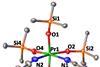 Research
Pushing praseodymium past its oxidation limits
Researchers isolate the first molecular species bearing praseodymium(IV), which could find applications in catalysis and new materials
-
 Research
MOF delivers cancer drug candidate straight to mitochondria
New ‘Trojan horse’ strategy could reduce drug doses needed to kill cancer cells
-
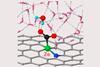 Research
Hydrogen bonds are single atom nickel’s secret for carbon dioxide reduction
Computational calculations show that hydrogen atoms and charge capacity are behind nickel’s high activity and selectivity in electrochemical carbon dioxide reduction
-
 Research
Platinum makes PVC production greener and cheaper
A new single-atom catalyst could replace toxic mercury in the manufacture of vinyl chloride
-
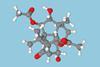 Research
Chemists complete synthesis of molecule ‘at the limits of complexity’
Synthesis of canataxpropellane paves the way to biological studies
-
 Careers
Undergraduates in their element
Harnessing the history of tungsten to engage school students with the periodic table
-
 Research
‘Ideal’ water splitting catalysts actually exist, simulations find
New computational model could accelerate the discovery of cheaper and more efficient catalysts
-
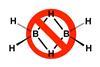 Research
Three centres, two electrons, but how many bonds?
Tweaking Lewis structures allows for a simplified and clearer representation of electron-deficient molecules
-
 Research
Carbynes expand the possibilities of carbon–carbon double bonds
Chemists use novel monovalent carbon species to insert functionalities in the middle of double bonds
-
 Research
Aluminium makes water-harvesting MOF 10 times thirstier
New MOF harvests up to 0.7 litres of water per day in the Mojave Desert – the driest place in North America
-
 Research
Subaquatic spiders inspire CO2 reduction catalyst
Structures that mimic the diving bell spider’s air-trapping hairs boost the catalytic activity of copper electrodes
-
 Research
Magnets that double efficiency of water splitting could help usher in a hydrogen economy
New catalysts based on earth-abundant metals are ‘game-changer’ for hydrogen production
-
 Research
Algorithm accurately predicts mechanical properties of existing and theoretical MOFs
Machine learning could speed up the production and use of coordination polymers in industry