Nanoscience – Page 21
-
 News
NewsPressure on controversial nanoparticle paper builds
Expression of concern and reprimand for chemists may seal fate of work on palladium particles
-
 Research
Steam powers artificial muscle
Carbon nanotube and silicone composite used to make clever actuator
-
 Research
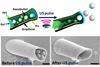
Microscopic cannon battery to blast disease
Cannon-like tubes shoot tiny bullets when triggered by ultrasound and could deliver drugs
-
 Research
Graphene oxide electronics are hot off the press
Printed electronic transfers created using water-based printing process
-
 Research
Boron nitride nanotube composites outperform their carbon cousins
Binding strengths of polymer–boron nitride nanotubes are higher than those reported for carbon nanotubes
-
 Research
Expanding polymer takes the heat out of lithium batteries
Polymer electrode coating may help prevent battery fires
-
 Research
Graphene sieves deuterium from hydrogen
Atom-thick materials could make heavy water production 10 times cheaper than conventional technologies
-
 Research
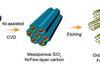
Doped electrodes cram charge into supercapacitors
New devices can charge in seconds and could compete with batteries
-
 Research
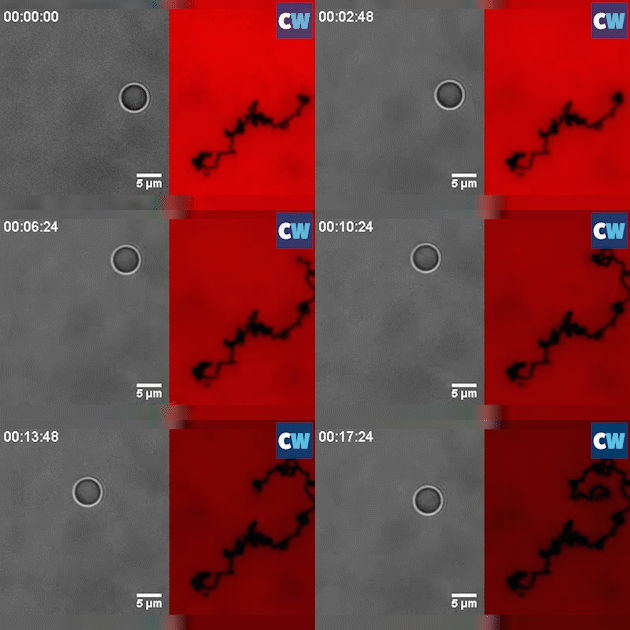
Speedy DNA nanomachines are on a roll
First DNA-based roller is 1000 times faster than current DNA motors
-
 Research
Predicted penta-graphene falls flat
New simulations suggest it may be impossible to ever synthesise the pentagonal form of graphene
-
 Research
Nanodots pencil in way to boost solar cells
Nanoparticles made from pencils’ graphite show interesting optoelectronic properties
-
 Research
Flat boron first looks promising for nano-electronics
Super hard two-dimensional allotrope has electronic properties that make it a good match for graphene in transistors
-
 Research
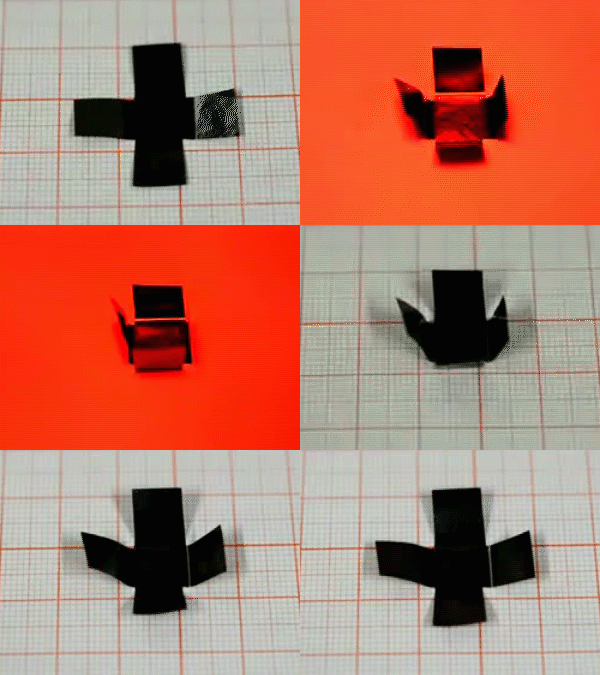
A step forward for graphene walkers
Self-folding paper devices remotely controlled by light show potential as artificial muscles
-
 Research
Unnatural nanoreactor puts click reaction in the spotlight
Engineered nanopore reveals long-lived ‘click chemistry’ intermediate
-
 Research
Nanotube desalination could be put back on track
Simulations reveal what may have been holding up this promising technology
-
 Research
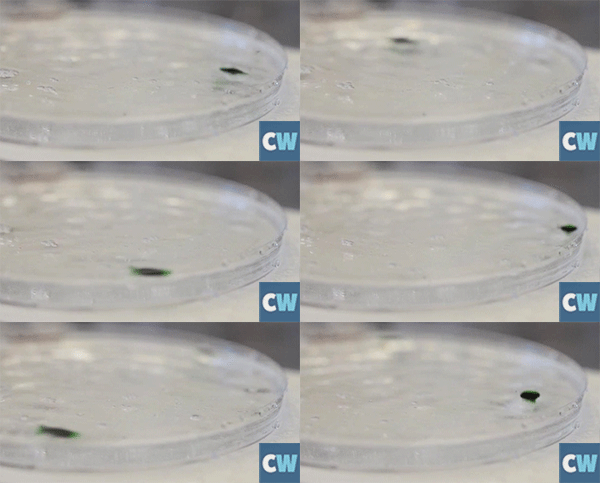
Stencilling self-propulsion engines
New method prints tiny artificial fish that could find use in water remediation
-
 Research
Rolled-up electrodes record brain activity without scarring
Super-flexible polymer offers way to monitor neural signals over the long-term for chronic conditions such as Parkinson’s disease
-
 Research
Urine recycled into quantum dots
New way of producing carbon dots provides a cheaper and greener alternative to conventional synthesis
-
 Research
Environmentally-friendly quantum dots make their mark
Indium phosphide nanoparticles offer non-toxic alternative to cadium for richer, more colourful display screens
-
 Research
Graphene band gap heralds new electronics
Higher quality material produces largest band gap ever recorded