GSK has agreed to buy US cancer biotech firm Nuvalent for over $10 billion (£8 billion). The deal gives GSK two late-stage lung cancer drugs: zidesamtinib and neladalkib, both of which are on expedited regulatory pathways with the US Food and Drug Administration, with an approval decision on zidesamtinib scheduled for September.

GSK stepped away from oncology drug development in 2014, selling its portfolio to Novartis. At the time, GSK said the move was intended to lower its dependence on high-risk R&D, and focus on areas in which it could be world-leading: respiratory medicine, HIV, vaccines and consumer healthcare.

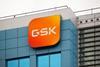
GSK sign

Source: © Magda Wygralak/Shutterstock.com

Having sold off its cancer business in 2014, GSK has more recently been rebuilding a new pipeline of cancer therapies

At that point, Roche – primarily through its 2009 takeover of Genentech – dominated the oncology market. Its expertise in cancer-targeting monoclonal antibody therapies had produced several blockbuster drugs and transformed approaches to cancer treatment.

But companies were beginning to develop a new class of antibodies that could target immune checkpoint inhibitors. This was built on research into using patients’ own immune systems to attack cancer cells – work that would be awarded the 2018 Nobel prize for physiology or medicine. As firms including Merck & Co and Bristol-Myers Squibb  introduced blockbuster immuno-oncology treatments, Roche’s dominance eroded. 

Given the relatively short patent life of successful drugs, and the challenges involved in developing new ones, pharmaceutical firms are no strangers to strategic changes of direction. Such pivots can come from the influence of new leaders; anticipation of major drugs’ patents expiring; or in response to competitors’ successes or failures. Roche, for example, is now narrowing its focus within cancer drug development, as well as making moves into the fashionable and lucrative area of obesity therapies, having licensed a treatment from Danish biotech Zealand Pharma for $5.3 billion last year.

GSK’s $5 billion acquisition of Tesaro in 2019 was part of a strategic shift that brought the company back into cancer drug development with two therapies, one of which was the checkpoint inhibitor antibody Jemperli (dostarlimab), used to treat endometrial cancer. Since then, GSK has brought two more cancer drugs to the market and built a pipeline that includes antibody–drug conjugates and checkpoint inhibitor antibodies among other approaches.

The drugs included in GSK’s latest deal belong to a different, but equally successful, class of medicines. They are tyrosine kinase inhibitors, which interfere with cell signalling pathways to disrupt cancer progression. There are at least 100 kinase inhibitor drugs approved in the US for treating a variety of conditions. GSK is betting that the pedigree of those existing drugs, combined with the advanced clinical and regulatory development of Nuvalent’s molecules, justifies a significant investment.