Industrial chemistry – Page 11
-
 Research
Carbon dioxide serves as carbonyl source in frugal process for making aromatic esters
Nanoscale confinement triggers strong base reactivity in process that shuns stoichiometric consumption of resource intensive reagents
-
 Opinion
Fluorine: the T rex of the periodic table
Pass out the nickel superalloy reactor kit, it’s time to tame that most reactive of elements
-
 Research
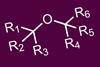
Baran and Blackmond team up to wave farewell to tough ether syntheses
Oxidative decarboxylation produces carbocations that greatly speed up hindered ether production
-
 Opinion
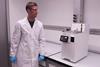
‘Coffee machine’ synthesiser’s first steps
Cartridge-based machine enables non-experts to make heterocycles
-
 Research
Surprising radical mechanisms of antioxidant polysulfides
Tetrasulfide prevents oxidation of petroleum products through radical reactions
-
 Article
How possible contaminants are investigated
The analytical stages when a suspected issue is found in a product
-
 Article
Design of experiments
Statistical analysis can accelerate development, reduce costs and increase manufacturing quality
-
Opinion
Management by numbers
Reducing intellectual processes to metrics runs the risk of people working to the numbers not the goal
-
 Research
Glass beads offer simple solution to dispensing tiny amounts of solids
Frustration drove chemists to overcome engineering challenge slowing high-throughput reaction screening set-ups
-

-
 Research
Doing away with membranes from the chloralkali process
Cost-effective and scalable electrochemical cells rely on inertial separation mechanism, rather than membranes, to keep products separate
-
 Article
Better chemistry through data
Are you under constant pressure to innovate? Get a boost from data analytics
-
 Opinion
We’re going to need a bigger flask
Scaling up reactions is easy to get wrong in a variety of ways
-
 Research
The five reactions on every organic chemist’s wish list
Synthesis has some catching-up to do to create the reactions every drug discovery chemist dreams of
-
 Opinion
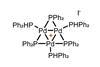
In search of ultimate selectivity
A catalyst that reacts only with aryl iodides, spurning bromides and chlorides
-
 Research
Patent-busting AI tool navigates around protected drug pathways
Organic retrosynthesis software can identify key bonds involved in patented reactions to find alternative pathways
-
-
 Podcast
Levulinic acid
How one footballer's climate concerns led to the creation of a green chemistry company: the story of Mathieu Flamini, GFBiochemicals and levulinic acid.
-
 Research
Waste vegetable oils turned into chemicals for drugs and plastics
Dual catalytic system converts complex carboxylic acids into terminal alkenes
-