Molecular biology – Page 4
-
 Feature
Small molecules that switch up cell development could transform medicine
Turning mature somatic cells back into flexible stem cells using small molecules could revolutionise medicine, especially for regeneration and cancer. Philip Ball reports
-
 Feature
More than a mirror-image: left-handed nucleic acids
Now a biological reality, researchers are starting to figure out the many roles of left-handed nucleic acids such as Z-DNA – from immunity to controlling our genetics. Rachel Brazil reports
-
 Research
D-trypsin synthesis enables sequencing of mirror-image proteins
Reversing the chirality of a protein-digesting enzyme could aid the development of mirror-image therapeutics
-
 Research
Invasive zebra mussels’ unique sticky threads unraveled
New understanding of byssal threads finds similarities with spider silk making them unlike any other mussels’
-
 Research
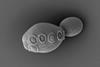
Synthetic yeast genome project creates strain with over 50% synthetic DNA
Entirely artificial organism opens up door to designer yeast with biotechnology applications
-
 Research
Assembly theory puts chemistry centre stage to explain molecular complexity and life’s origins
Concept that attempts to join physics and biology via chemistry met with interest but also harsh criticism
-
 News
NewsmRNA vaccine pioneers win medicine Nobel prize
Katalin Karikó and Drew Weissman honoured for breakthroughs that enable the rapid development of new vaccines, including several of those used against Covid-19
-
 Research
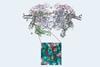
Mapping antibiotic’s binding of its target points to way to give drugs the killer edge
Technique that creates a comprehensive catalogue of mutations in antibiotic’s target reveals how drugs might be improved
-
 Research
Revived Neanderthal and Denisovan peptides show antibiotic activity
Molecular-scale ‘Jurassic Park’ process could uncover new medicines
-
 News
NewsScientists hope to illuminate unknown human proteins with new public database
‘Unknome’ database contains thousands of understudied proteins
-
 Research
Molecular fossils solve evolutionary mystery
Fossilised protosteroids confirm Nobel-prizewinner’s decades-old prediction
-
 News
NewsBillionaire professor donates ‘transformative’ sum to protein science institute
$210 million endowment from entrepreneur and Moderna investor Tim Springer will support ongoing research
-
 Research
Ancient microbial natural products reconstructed from Neanderthal dental plaques
Palaeogenomic approach allows natural product researchers to ‘go back in time’
-
 News
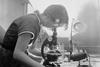
NewsOverlooked documents shed new light on double helix discovery
Rosalind Franklin was more than just a ‘wronged heroine’
-
 News
NewsThe launch of a new field: precision microbiome editing
Nobel laureate Jennifer Doudna is helping lead a new $70 million project combining metagenomics and CRISPR to solve health, climate problems
-
 Feature
How do plants sense stress?
How does an organism without a brain or a nervous system sense when it’s under attack? Hayley Bennett presents the plant world’s strange yet sophisticated system for responding to wounding
-
 Research
Oyster mushroom unleashes chemical warfare on its nematode prey
Fungus discovered to be using 3-octanone to paralyse and kill worms
-
 Research
Artificially expanded genetic alphabet evolves enzymes for the first time
Libraries of short DNA sequences incorporating synthetic nucleotides perform better as enzymes than ordinary DNA
-
 Feature
The brain chemicals that control what we enjoy
Researchers are trying to understand how orexins influence our appetites, and whether we can use them to treat addiction and obesity, explains Andy Extance
-
 Opinion
Why glycans?
Glycoscience is turning out to be more interesting than anyone might have imagined