News – Page 99
-
 Research
Artificial leaf floating on the river Cam synthesised hydrogen and syngas
‘All-in-one’ photoelectrochemical devices generate sustainable fuels on water, reducing both cost and land use
-
 Research
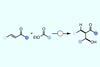
Multitasking boron catalyses first aldol reaction from esters
Using esters instead of aldehydes offers chemists a completely new retrosynthetic disconnection
-
 Research
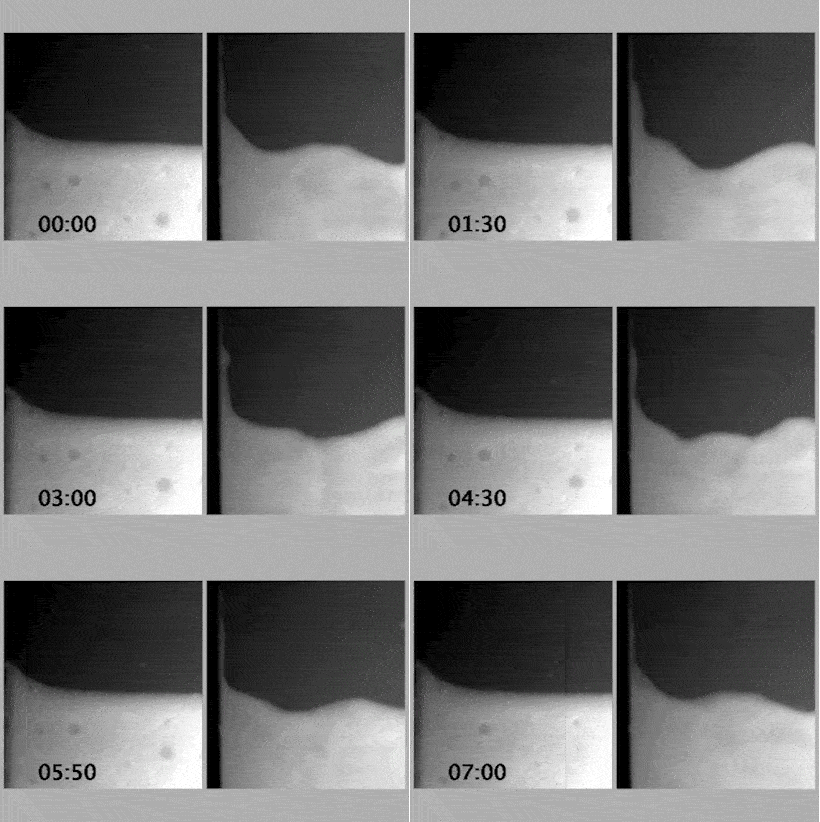
Active liquid climbs walls
A two-phase liquid containing molecular motors could create a new class of soft matter
-
 Research
Diamond capsules allow ambient analysis of high-pressure samples
Crystalline forms of argon and neon can now be analysed using techniques that would previously have been impossible
-
 News
NewsBest-selling chemistry textbook is now free
New edition of John McMurry’s Organic Chemistry will be open access after author discovers copyright loophole
-
 Research
Chemical decapitation renders PFAS harmless
An unexpected mechanism destroys persistent perfluorinated chemicals, though the method isn’t ready for the field yet
-
 News
NewsAfghan scientific expertise scattered, one year on from Taliban takeover
Afghanistan’s research infrastructure may be idling, but students and researchers who managed to escape abroad continue their work and plan to return to help rebuild their homeland
-
 Research
3D printing allows blind chemists to visualise scientific data
Lithophanes produced with a basic 3D printer can make research findings more accessible
-
 Research
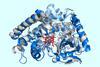
Artificially evolved enzyme tackles tricky cross coupling
Directed evolution on the metalloenzyme cytochrome P450 creates a catalyst for making macrocyclic antibiotics
-
 Research
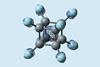
Perfluorocubane catches electron in molecular box
Cube-shaped molecule can hold a single electron – a real-life version of the ‘particle in a box’ principle from quantum mechanics textbooks
-
 Research
Electrons become chiral reagent in polymer synthesis
Chiral polymer made from completely achiral chemicals using only electrons’ angular momentum
-
 Business
Rocket-powered carbon dioxide conversion
Barton Blakeley is lowering the carbon footprint of silica and other materials
-
 Research
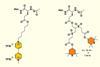
Redox flow batteries charge up with peptide-based electrolytes
Study shows how electrolytes could be degraded using acid and heat
-
 News
NewsWellcome Trust’s anti-racism initiatives a failure
UK’s largest non-governmental science funder is ‘still an institutionally racist organisation’, admits director Jeremy Farrar
-
 Research
Rotting fish experiments reveal how organs fossilise
Most fossils are bones, but individual organs’ biochemistry determines whether they are preserved in rock
-
 Research
First organic magnesium electride is stable at room temperature
Molecule has potential in redox reactions, as it’s highly soluble in organic solvents and easily stored in a glovebox
-
 Business
J&J to phase out talc-based baby powder worldwide
In the face of thousands of lawsuits, firm will switch to cornstarch-based formulations
-
 Research
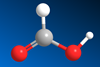
Nature inspires greener generation of metal hydrides to make formic acid from CO2
The iron–sulfur cluster catalyses the electrocatalytic formation of manganese hydrides
-
 Research
Combining expertise to develop remote-controlled nanomaterials
Beatriz Pelaz explains how her research tackles bionanomaterials from multiple angles
-
 Research
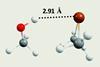
Computational study says polonium can form hydrogen bonds
Bonds driven by relativistic effects, rather than electronegativity differences