All articles by Katrina Krämer – Page 8
-
 Podcast
Ionic liquids
Liquid salts, ionic melts, fused salts, or ionic glasses – call them what you like, these much-hyped solvents show great promise
-
 News
NewsResearchers condemn UK funder’s decision to curb PhD extensions
UK Research and Innovation has ‘failed’ postgraduate students struggling during the pandemic, claims open letter signed by more than 1000 researchers
-
 Podcast
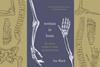
Written in Bone: Hidden Stories in what We Leave Behind by Sue Black – Book club
From the horrific to the absurd, forensic anthropologist Sue Black’s new book is a true pageturner
-
 Research
Pompeii’s paintings imperilled by precipitates
Volcanic ash protected the city’s frescos for centuries, now it might hasten their decline
-
 Research
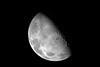
First definitive proof of water on the moon
Ice could be a resource for future lunar missions
-
 News
News100 UK scientists receive more than £100 million for blue skies research
Fourth funding round of government’s future leaders programme aims to turn scientific ideas into products and services
-
 Podcast
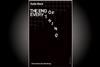
The End of Everything (Astrophysically Speaking) by Katie Mack – Book club
It’s the end times for our universe with five scenarios that of how it might meet its ultimate demise
-
 Feature
How Crispr went from niche to Nobel
Katrina Kramer tells the story of how Emmanuelle Charpentier and Jennifer Doudna developed the gene editing tool that won them the 2020 Nobel prize in chemistry
-
 Research
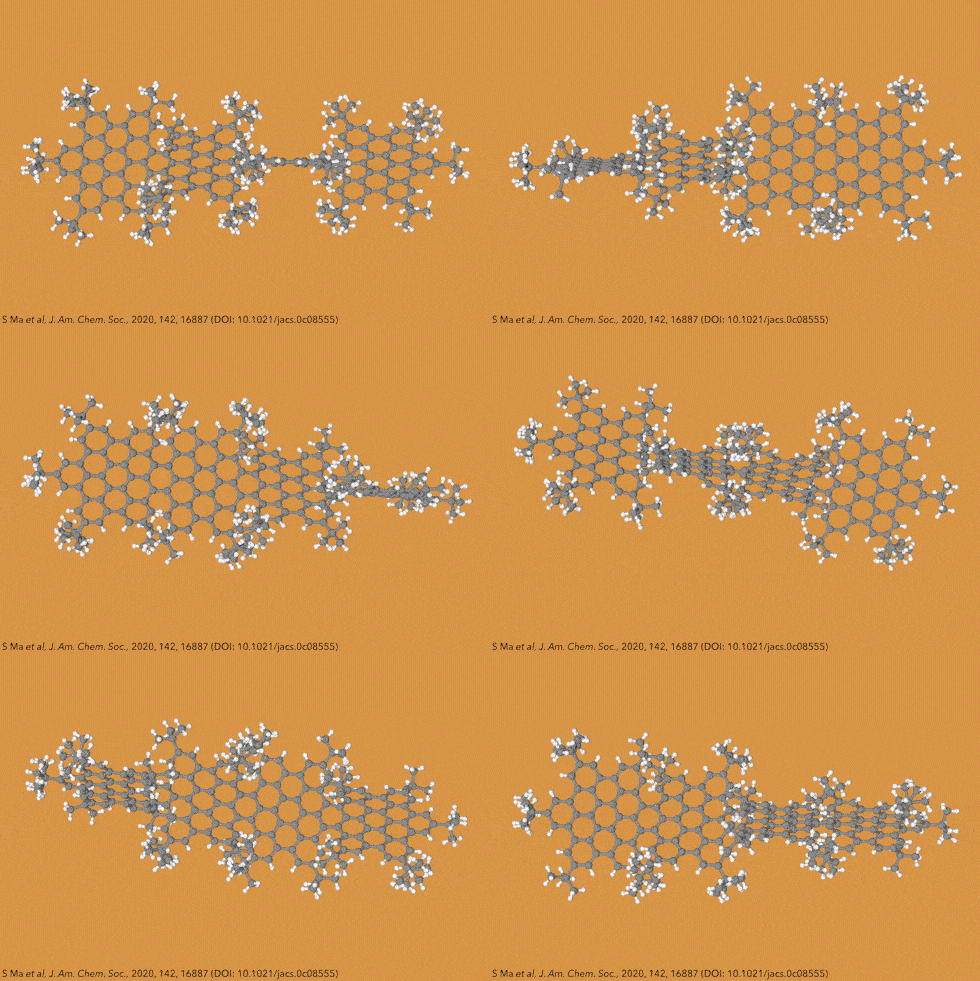
Superbenzenes now do the twist too
Supertwistacene is the first configurationally stable chiral graphene nanoribbon
-
 Research
Chiral benzyne made with single handedness for the first time
First enantioenriched aryne atropisomer can create chiral nanographene and anthracene structures
-
 News
NewsCrispr–Cas9 gene-editing inventors win chemistry Nobel prize
2020 chemistry award goes to Jennifer Doudna and Emmanuelle Charpentier
-
 News
NewsMedicine Nobel prize goes to discoverers of hepatitis C virus
Harvey Alter, Michael Houghton and Charles Rice share prize for uncovering the disease-causing agent affecting more than 71 million people
-
 Podcast
Oxybenzone
This summer’s extreme weather prompts Katrina Krämer to investigate the history of sunblock and the ingredient blamed by some for bleaching coral reefs
-
 Research
Chemistry Nobel predictions range from organometallic chemistry to DNA synthesis
Crispr is favoured by chemists while publication analysis forecasts winners working on nanocrystals, organometallic chemistry and supramolecular self-assembly
-
 Research
Salt crystal grows legs to avoid slippery surface
Sodium chloride’s self-lifting crystallisation has been observed for the first time
-
 Research
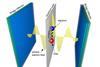
Hybrid light–matter particles offer tantalising new way to control chemistry
Early experiments are revealing that vacuum-field catalysis could make reactions happen with mirrors and nothingness
-
 Research
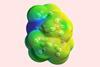
Ultra-fluorinated cyclohexane shows off two faces
1,2,3,4,5,6‐hexakis(trifluoromethyl)‐cyclohexane is the most sterically crowded all-cis derivative
-
 Podcast
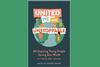
United We Are Unstoppable: 60 Inspiring Young People Saving Our World – Book club
60 young climate activitsts from 41 countries tell their stories of fighting for a sustainable future
-
 Research
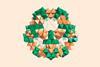
Largest hollow cage molecule yet made from 1000 atoms
Giant polyoxymetalate cluster contains 240 molybdenum, 740 oxygen and 20 sulfur atoms
-
 News
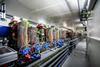
NewsEuropean Synchrotron’s new x-rays shine 100 times brighter
Extremely Brilliant Source, which took €150 million and 20 months to build, has already been used for Covid-19 research