Materials – Page 68
-
 Research
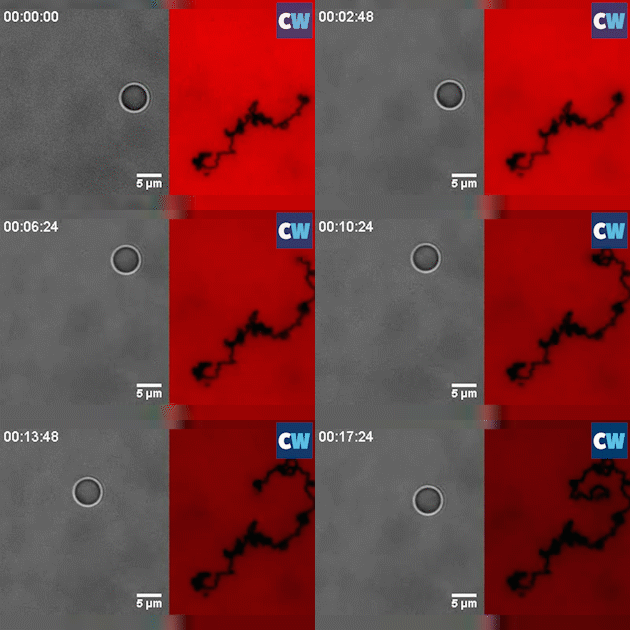
Fast skating forces ice to feel the heat
Researcher argues your skating speed will dictate the slipperiness of ice
-
 Research
Speedy DNA nanomachines are on a roll
First DNA-based roller is 1000 times faster than current DNA motors
-
 Research
Predicted penta-graphene falls flat
New simulations suggest it may be impossible to ever synthesise the pentagonal form of graphene
-
 Research
Dress dye analysis points to fast-moving fashion in 19th century
Purple dyes took as little as four years to go from synthesis to mass production
-
-
 Research
Super-repellent coating ready in seconds
Non-stick polymer coating is simple to apply and repels oil, water and alcohol
-
 Research
Nanodots pencil in way to boost solar cells
Nanoparticles made from pencils’ graphite show interesting optoelectronic properties
-
 Research
20 carat gold foam lighter than a feather
Gold nanoparticle aerogel is a thousand times lighter than solid gold
-
 Research
Racing tyre analysis shows 'undetectable' treatments the chequered flag
Cheating drivers tread carefully as analytical method stalls illegal softening treatment use
-
 Research
Root and branch reform of roses show off organic electronics
Wires, simple displays and logic circuits demonstrated in living roses
-
 News
NewsPerovskite boosts silicon solar cell efficiency
Silicon industry will be ‘beating a path to the door’ of inventors, says scientist
-
 Research
Ingenuity, relevance and execution
Anubhav Saxena from the Indian branch of Momentive Performance Materials gives his perspective on innovation
-
 Research
A bright future for silicon solar cell recycling
Hydrofluoric acid eliminated from silicon salvage process
-
 Research
First permanently porous liquid created
Clever trick enables the design of a new class of material with interesting properties
-
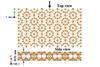 Research
Flat boron first looks promising for nano-electronics
Super hard two-dimensional allotrope has electronic properties that make it a good match for graphene in transistors
-
 Research
Adaptive spider glue remains sticky come rain or shine
Salt–protein mixture may explain why spider webs retain their adhesive properties in arid and humid climates
-
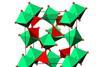 Podcast
Zirconium tungstate
Generally, things get bigger as they get hotter. Neil Withers examines one of the exceptions – zirconium tungstate
-
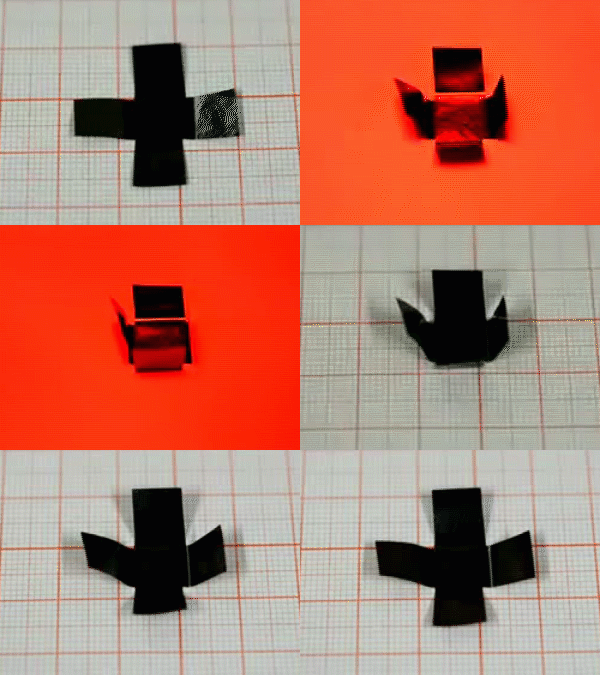 Research
A step forward for graphene walkers
Self-folding paper devices remotely controlled by light show potential as artificial muscles
-
 Research
Trampolining droplets raise hopes for ice-shedding surfaces
Mystery of bouncing droplets that apparently defy the laws of physics unravelled
-
 Research
New lithium-air battery safe from water damage
Adding lithium iodide to battery electrolyte boosts stability and efficiency