Organic chemistry – Page 23
-

-
 Research
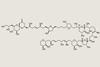
Newly discovered marine compound is in a super-carbon-chain league of its own
Isolated from algae, Benthol A has 35 stereocentres
-
 Research
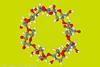
Molecular light switch speeds up tricky cyclodextrin synthesis
Reaction could lower cost of useful macrocycle
-
 Research
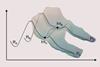
Chemists control reaction path with mechanical force
Mechanochemical mechanism exploited to access unconventional trajectories on a reaction’s potential energy surface
-
 Research
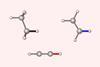
Chemists reconsider C–H and C–C bond length rationale
Quantitative proof for steric repulsion theory
-
 Research
Glass catalysis screening study prompts reactionware rethink
Base-catalysed reactions are up to 1000 times faster in the presence of glass
-
 Research
Gold double helix assembles with DNA-like precision
DNA construction principles create first ever double-helical gold nanocluster assembly
-
 Research
Molecular machines talk to living cells for the first time
Artificial molecular motors gently pull on cells’ membrane receptors to trigger a biochemical response
-
 Research
Origin of mysterious alpha effect in nucleophilic substitution reactions unveiled
Alpha nucleophiles’ ability to get close to electrophiles – rather than their intramolecular lone pair repulsion – gives them unusual reactivity
-
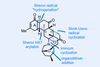
-
 Research
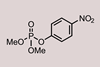
From nerve agent simulant, to pharma ingredient
Portable microreactor offers a new way to dispose of paraoxon
-
 Research
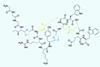
Sortase A strategy could see ribosomal products reach further across chemical space
Compound libraries set to benefit from process that harnesses promiscuity of post-translation enzymes
-
 Research
Nanomaterial stores radicals to power photopolymerisation in the dark
Reaction driven by long-lived radicals experiences fewer side reactions than photopolymerisation under light irradiation
-
 News
NewsChemistry Nobel laureate Ei-ichi Negishi dies at 85
Discoverer of the Negishi coupling, who did synthetic organic chemistry research at Purdue for four decades, has passed away
-
 Research
Genetically engineered microbes convert waste plastic into vanillin
Plastic bottle becomes industrially useful product thanks to biosynthetic transformation
-
 Research
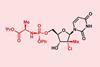
Synthetic overhaul for hepatitis C drug could ease manufacturing demands
Chemists hope their five-step synthesis will increase global accessibility of uprifosbuvir and other lifesaving antivirals
-
 Research
Iodine revealed to be killer species that destroys tin-based perovskites
New insights into the mechanism that inactivates tin solar cells could lead to greener, more efficient devices
-
 Research
Anti-electrostatic halogen bonding shown in solution for the first time
UV-vis spectroscopy and computational analysis explore nature of counterintuitive anionic interaction
-
 Research
Blue light triggers ‘unprecedented’ reaction in old catalyst
Traditional iridium intermediate switches from allylic substitution to cross coupling when exposed to blue light
-
 Opinion
Free radicals for post-translational modification
A technique for forming new carbon–carbon bonds at specific sites in proteins