Organic chemistry – Page 41
-
 Opinion
Making light work of synthesis
The LED zeppelin is flying high, but is it all hot air asks Karl Collins
-
 Podcast
Twistacenes
Kat Arney discovers the strange things that happen when organic compounds go round the twist
-
 Research
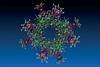
Chemists tie molecular knot with record number of crossings
Interwoven structure with 16 crossings is the one of the most complex ever made
-
 Research
Plasmon chemistry sheds new light on designing photocatalysts
Quasiparticle observed getting involved in dissociation reaction
-
 Research
Catalytic nanomachine assembled by remote control
Chemical signalling drives eight-component system
-
 Research
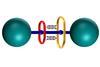
Exchange of rings shows off molecular machine's clever trick
Small ring passing through a larger one is a fundamentally new motion for a rotaxane
-
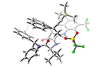 Research
Challenging mirror molecules made with stereochemistry destroying reaction
Clever catalyst repurposes classic nucleophilic substitution to make chiral quaternary carbon centres
-
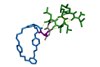 Research
‘Cyborg ribosome’ reads polystyrene message to create catalyst
A simplified artificial molecular machine with a useful catalyst product hints at the potential of synthetic systems
-
 Research
Formaldehyde burst surprises reaction spectators
Surface plasmon resonance imaging reveals unexpected self-catalysis behaviour of formaldehyde on a platinum catalyst
-
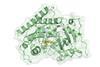 Research
Engineered enzymes make super strained rings
Mutated haem proteins make light work of synthesising bicyclobutanes
-

-
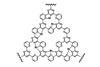 Research
Coordination trick reinvents cobalt and nickel as carbon reduction catalysts
When it comes to reducing carbon dioxide, being well coordinated is a disadvantage
-

-

-
 Research
Solving the crystal maze
Workflow swaps gut feelings for data when designing continuous crystallisation processes
-
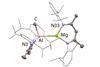 Research
Bizarre bimetallic compounds break C–F bonds
First ever molecular Mg–Al bond constructed in study that reveals main group metal–metal bonds can readily react with aromatic fluorine
-
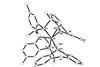 Research
Titanium complex converts methane to alkenes at room temperature
New work illustrates the ‘crucial steps’ required for a process to make useful chemical feedstocks from methane
-
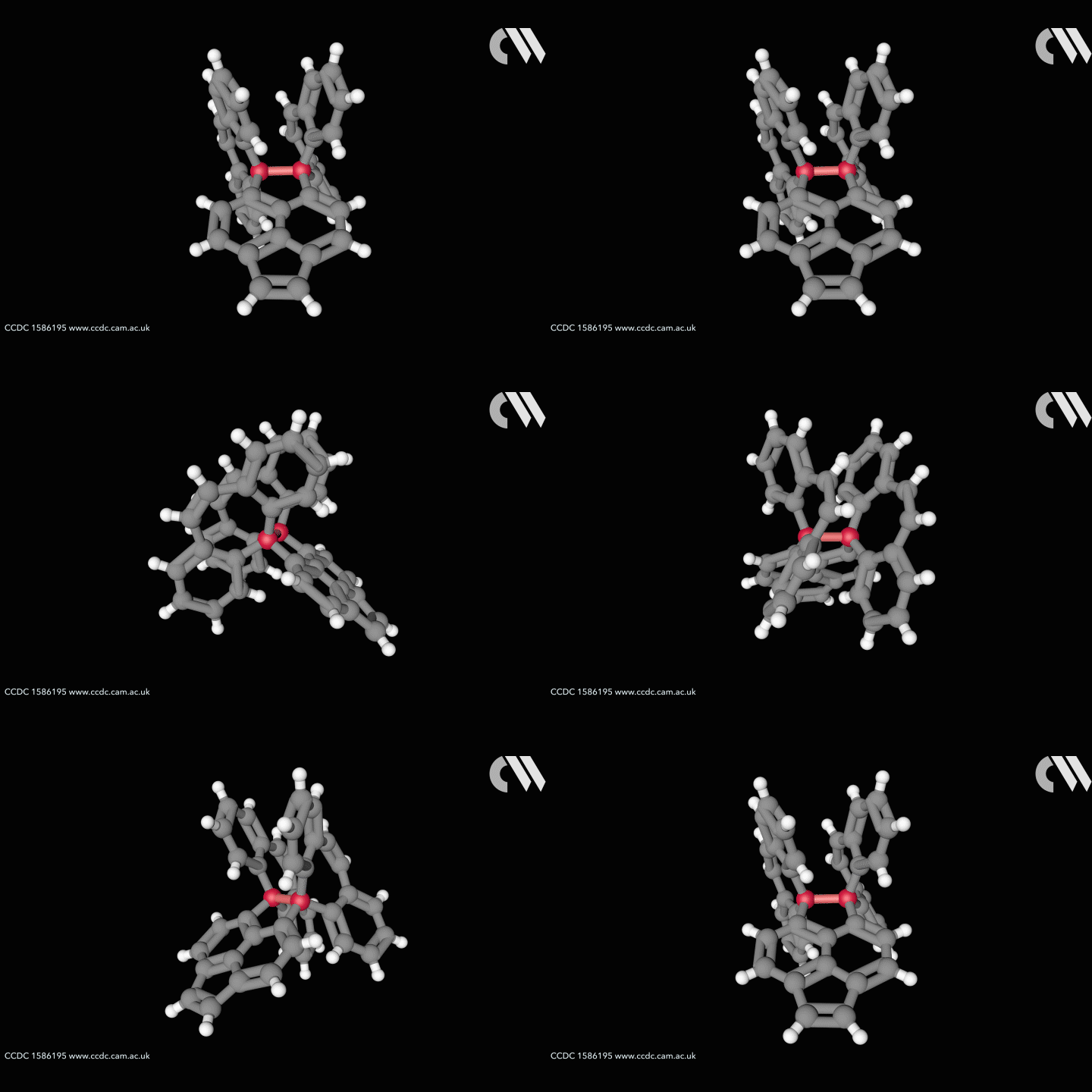 Research
Longest carbon–carbon bond yet pushes chemistry to its limits
Steric strain creates bond longer than theory thought possible
-
 Article
In conversation with Robert Grubbs, Nobel laureate
Following the recent acquisition of the world-leading Materia catalyst business by Umicore, we’ve been granted an exclusive interview with Robert Grubbs, chemistry Nobel laureate and co-founder of Materia.
-