Organic chemistry
The latest chemistry news and research on organic chemistry, including synthesis, natural products and total synthesis, reaction mechanisms and supramolecular chemistry, from the Royal Society of Chemistry's magazine, Chemistry World
-
 Research
Hats off for new, lower temperature route to unzip plexiglass for recycling
Hydrogen atom transfer agents key to solvent-free method to produce pristine monomers from old acrylic
-
 News
NewsSimple organic catalyst walks phosphate groups along sugar backbones
Inspired by nature, method is first example of autonomous mechanical motion in small molecules
-
 Research
Meet diamondiyne, the new diamond-like carbon allotrope predicted 35 years ago
Unusual mix of sp and sp3 bonding could furnish porous material with unique properties
-
 Research
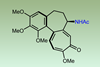
Colchicine total synthesis embraces electrochemistry
Route highlights how electrosynthesis, and to a lesser extent mechanochemistry, are becoming increasingly important to the synthetic chemist’s toolbox
-
 News
NewsUS appeals court strikes down risk management rule for DCM
Judges rule Environmental Protection Agency’s methylene chloride risk management rule is badly flawed
-
 Research
Simple technique makes it easier to access and exploit hydrogen radicals
Highly reactive hydrogen radicals generated using ultraviolet light and off-the-shelf reagents
-
 Research
Chemists break cycloaddition ‘rule-of-five’ by simply tweaking electronic properties of molecule
Changing the substituents on a dialkene molecule influenced which bicyclic product formed during a photocycloaddition reaction
-
 News
NewsHideki Shirakawa, who shared chemistry Nobel for discovering conductive polymers, passes away at 90
Collaboration with Alan MacDiarmid and Alan Heeger on doped polyacetylenes ushered in new field of electronics
-
 Opinion
Chemistry contains multitudes
There’s room (and need) for all the various subspecies of chemical scientists
-
 Research
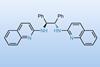
Organocatalyst streamlines oligonucleotide drug synthesis
New reaction controls phosphorus stereochemistry during the synthesis of phosphorothioate oligonucleotides
-
 Research
Simple reagent slices open phenol rings, converts them into various nitrogen-containing products
Strategy adds to the skeletal editing toolbox, creating flexible chains from flat arene rings
-
 Research
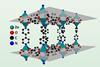
Shape-shifting MOF works wonders for heating and cooling across climates
A pressurised system self-regulates to trigger temperature changes without external electrical inputs
-
 Research
Updated Appel reaction finally fluorinates alcohols
Simple reaction allows access to wide range of fluorinated molecules, without using hazardous hydrogen fluoride
-
 Research
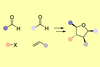
Unexpected cyclisation provides easy access to elusive tetra-substituted THFs
A mix-and-match approach to substituted heterocycles
-
 Research
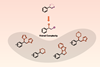
Photoredox catalyst introduces two nucleophiles across a carbon–carbon bond at once
Reaction also challenges the idea that C–X bonds can only undergo one-site transformations
-
 Feature
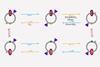
Molecular ratchets: unlocking the chemistry of biological motion
Motor proteins power everything from muscle contraction to bacterial swimming. While replicating their chemically fuelled directional motion in the laboratory has proved difficult, researchers are making progress and developing molecular ratchets and motors that do useful work
-
 Webinar
One goal, three industries: retrosynthesis for pharma, agrochemicals and flavours & fragrances
Explore the latest in expertly-coded retrosynthetic software, as we look at its performance across three different industries
-
 Research
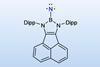
Elusive crystal structure of borylnitrenes finally captured
In situ crystallography reveals a snapshot of a boron-bound nitrene
-
 Research
How a chance discovery overturned one of photochemistry’s oldest dogmas
The first hints of what’s behind the seemingly illogical mismatch between photochemical reactivity and absorptivity could finally end a team’s 10-year struggle to get their results taken seriously
-
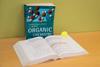 Opinion
Jonathan Clayden: ‘I like to feel that we have set the curriculum rather than followed the curriculum’
The co-author of the much-loved Organic Chemistry shares his insights on creating a chemistry textbook