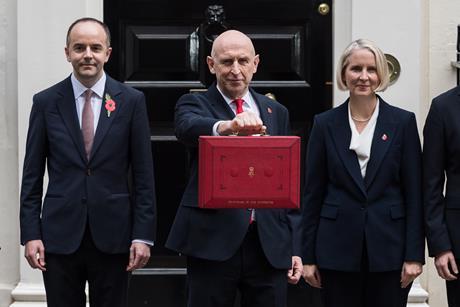
UK budget aims to promote ‘reindustrialisation’
Chancellor affirmed funding for previously introduced support measures, but competitiveness challenges remain
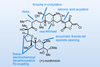
(+)-Nonthmicin
Photochemistry, biocatalysis, electrochemistry and organocatalysis combine in an enjoyable polyketide synthesis

I’m sharing my @cancerwidower journey to bring a realistic understanding of research progress
Regular Chemistry World contributor Andy Extance is trying to help others after his late partner’s death

Learning the language of chemistry
Chemical structures embed vast amounts of information that needs translating for machines

Questions about who to credit extend beyond the Nobel prize
Conceptual, epistemic and political factors all influence who is deemed to have made a scientific discovery
US atrazine cancer lawsuit revives hazard vs risk debate in pesticide regulation
Stop drawing lies: Why chemistry needs hypergraphs
Why innovation gets stifled if you've settled into the fur-lined rut
What’s it like to be the first person privy to Nobel-worthy work?
Sanctions, regulation and prices restrict access to medicines

What do university chemistry practicals really test?
In Nitheeshan Gunanantham’s experience, stamina can become a stand-in for skill
The current academic system doesn’t incentivise risk-taking
But playing it safe can have negative consequences for a field
The evolving landscape of pain drug discovery
Harnessing the power of human-relevant in vitro models
Our columnists

Philip Ball is an award-winning journalist, author and broadcaster who explores the history and philosophy of chemistry
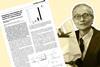
What’s it like to be the first person privy to Nobel-worthy work?
As Philip Ball, handling editor of Kensō Soai’s 1995 paper reveals, sometimes you’re oblivious to it

Raychelle Burks is an associate professor in the US and an award-winning science communicator and broadcaster.

From preservative to poison
New concerns have arisen about a chemical’s deliberate misuse

Nessa Carson is a synthetic organic research chemist based in Macclesfield, UK

Why innovation gets stifled if you've settled into the fur-lined rut
Progress involves assessing all processes for improvements – even those whose inefficiencies we’re comfortable with
Chemjobber is a US-based industry insider, telling tales of tank reactors and organic obstacles

Early lessons from the Garden Grove chemical incident
A runaway polymerisation raises questions about safety measures and their backups

Derek Lowe is a medicinal chemist in the US, sharing wit and wisdom from a life spent in preclinical drug discovery

Chemistry contains multitudes
There’s room (and need) for all the various subspecies of chemical scientists

Chris Nawrat (aka BRSM) is a process chemist at a major pharmaceutical company in the US
(+)-Nonthmicin
Photochemistry, biocatalysis, electrochemistry and organocatalysis combine in an enjoyable polyketide synthesis

Vanessa Seifert explores philosophical issues from the novel perspective of chemistry
Questions about who to credit extend beyond the Nobel prize
Conceptual, epistemic and political factors all influence who is deemed to have made a scientific discovery
Research landscape
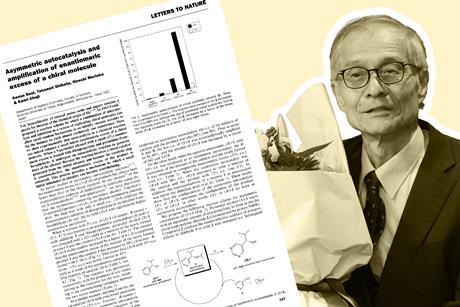
What’s it like to be the first person privy to Nobel-worthy work?
As Philip Ball, handling editor of Kensō Soai’s 1995 paper reveals, sometimes you’re oblivious to it
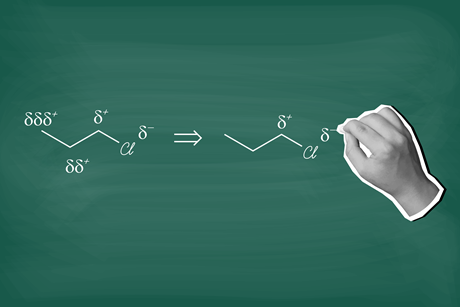
Why I think it’s time to change how we teach the inductive effect
New evidence challenges the idea of long‑range inductive transmission, highlighting that some textbook explanations of inductive effects are oversimplified and, in key cases, completely wrong
Africa should treat entrepreneurial science as a lifeline, not a luxury
Synchronised action from universities, policymakers and scientists is needed to bridge the gap from ideas to impact
The current academic system doesn’t incentivise risk-taking
But playing it safe can have negative consequences for a field
The scientific career clock in China
Age limits on funding and recruitment programmes place unhelpful pressures on early-career researchers
As a first-generation student, I didn’t have a clue what I was doing
And that brought challenges and unexpected opportunites
The chemist anthropologist
What new species remain to be discovered in the lab?
Industry landscape
UK budget aims to promote ‘reindustrialisation’
Chancellor affirmed funding for previously introduced support measures, but competitiveness challenges remain

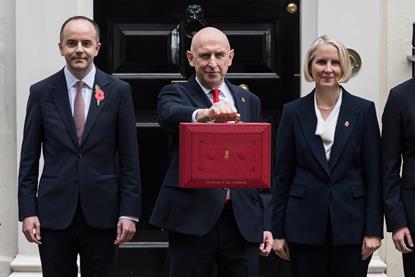
UK budget aims to promote ‘reindustrialisation’
Chancellor affirmed funding for previously introduced support measures, but competitiveness challenges remain
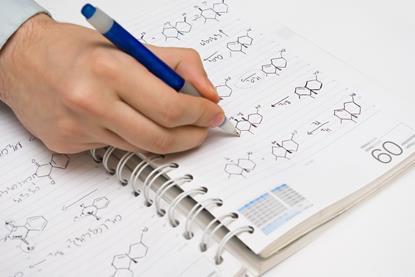
Learning the language of chemistry
Chemical structures embed vast amounts of information that needs translating for machines

US atrazine cancer lawsuit revives hazard vs risk debate in pesticide regulation
Should firms have to issue cancer warnings in states that use different assessment criteria to national regulators?

Letters: September 2026
Including a call for you to share your low-stakes mistakes
Profiles
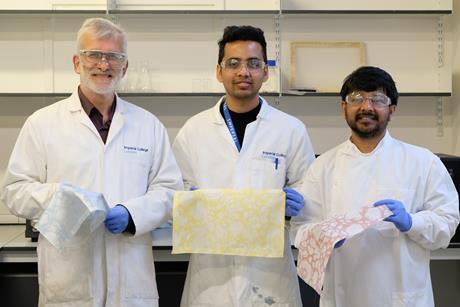
Greener dyes of every colour for fabric and food
Brilliant Dyes is extracting natural colours from algae to reduce energy, water and waste
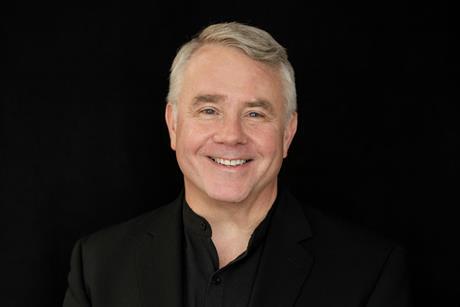
Green chemistry co-founder John Warner on tragedy, creativity and science
Warner shares how his passion for music transitioned into a love of chemistry and how life events have shaped his professional successes
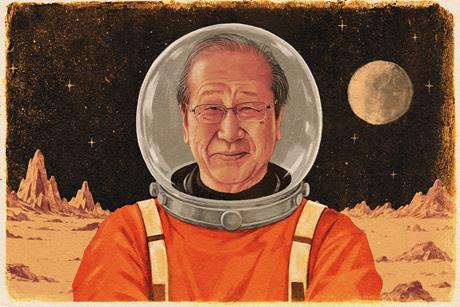
Susumu Kitagawa: ‘I tell my students three words: luck, stubbornness and perseverance’
The winner of the 2025 Nobel prize in chemistry on books, porous materials and his mantra for success
Susumu Kitagawa: ‘I tell my students three words: luck, stubbornness and perseverance’
The winner of the 2025 Nobel prize in chemistry on books, porous materials and his mantra for success
Screening therapeutic peptides for ‘undruggable’ proteins
Revolver Therapeutics targets transcription factors that are hard to reach with conventional drugs and antibodies
‘Lots of researchers were doing very unusual things – I created an awards ceremony to celebrate them’
Marc Abrahams, founder of the Ig Nobel prizes, on how the annual parody science award show began and how it’s changing
Sarah O’Connor: ‘There’s nothing that matches that thrill of discovery’
The natural product chemist talks growing up in New York, her dad’s late pursuit of a PhD, and her journey to plant chemistry and to Germany
How Robert Crapnell carved out a new role between technician and academic
The research technical manager at Manchester Metropolitan University was awarded this year’s RSC Technical Excellence Prize
Stop drawing lies: Why chemistry needs hypergraphs
By Guillermo Restrepo
Guillermo Restrepo reflects on the limitations of how we currently draw molecules and calls on chemists to adopt a system that better illustrates their complexity
It’s time for consensus on science’s place in government
By Patrick Walter
The latest shake-up of UK science policy oversight brings uncertainty to a sector that needs stability to succeed