Collections
Sustainability
In this collection we explore sustainable solutions for addressing global challenges, covering interdisciplinary approaches to sustainability, including renewable energy sources, green chemistry, reducing waste and emissions, circular economy principles, and solutions for a low carbon and net zero future.

Sustainable labs
The Royal Society of Chemistry’s Sustainable laboratories report uncovers what chemists are already doing to reduce the environmental footprint of their research, while at the same time continuing to deliver the ground-breaking discoveries and innovation that make the world a better place. This report shares the barriers and trade-offs they face in making sustainability-related changes, and the many opportunities for collaboration and other positive action.
The Royal Society of Chemistry also curated a special collection of research from its journals that showcases some of the innovative approaches to reduce the environmental impact of research, from solvent selection guides to machine learning approaches and more.


The labs pointing to a greener future for Africa
Tackling climate is not just a job for scientists in more developed countries. Munyaradzi Makoni talks to researchers in Kenya and South Africa to find out more

The RSC’s climate challenge
The Royal Society of Chemistry aims to use Cop26 as a springboard to a more sustainable future. Rachel Brazil reports

Sustainable lab buildings
After a decade of grassroots growth, the laboratory sustainability movement is bursting into the mainstream finds James Mitchell Crow

It's even cheaper being green
Reducing the environmental impact of your lab can save money as well as water and fuel. Phillip Broadwith reports
Making strides in sustainable laboratories: Examples of recent initiatives
Innovating for the future of sustainable labs
Chemists want help to cut the environmental footprint of their labs
Setting the standard for calculating indirect emissions
Labs’ carbon footprint under scrutiny as tool calculates impact of buildings and scientists
Majority of top chemicals on market deemed environmentally unsustainable by new metric
Green chemistry
Business
Pfizer’s green chemistry team turns 25
What began as a grassroots initiative has become embedded across Pfizer’s research and manufacturing operations, helping reshape processes from Viagra to Paxlovid

News
Handbook of practical advice will help chemistry departments reduce environmental impact, save money
Collection of real-life examples aims to balance environmental and financial concerns

Feature
How depolymerisation could enable infinite reuse of plastics
Nina Notman discovers how a type of chemical recycling – depolymerisation – could increase recycling rates, reduce plastic waste and enable a more circular economy

News
Stringent regulations on dichloromethane are forcing US labs to rethink use of common solvent
As broad ban on DCM is finalised, US labs have either abandoned the chemical or readied themselves for exposure monitoring in November
Sponsored

Exploring the frontiers of the periodic table: bismuth catalysis and its applications
Learn about state-of-the-art synthesis coming from one of the world’s leading catalysis research groups

Setting new standards for British laboratories
Lab Innovations brings together experts from all corners of the industry

A formula to calculate carbon
World’s leading chemical companies spearhead initiative to decarbonise supply chains
 Business
Pfizer’s green chemistry team turns 25
What began as a grassroots initiative has become embedded across Pfizer’s research and manufacturing operations, helping reshape processes from Viagra to Paxlovid
 Opinion
Where does chemical recycling of plastics go from here?
US and EU plant closures highlight economic difficulties of scaling technology alongside associated policy and infrastructure
 Research
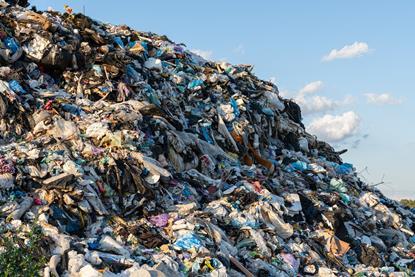
Chemical treatment slashes emissions of making hydrogen from plastic waste
Process can produce hydrogen from polyethylene and polypropylene more cleanly than from natural gas
 Podcast
A warning for US science & wool’s chemical versatility
We discuss highlights from Marcia McNutt’s final address. Plus, what’s the chemistry behind the woolly sweaters keeping you warm?
 Business
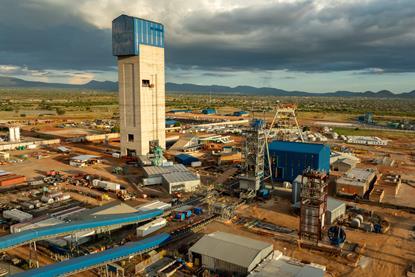
Making South Africa’s mines more sustainable
Tighter environmental regulations are stimulating a move to greener extraction technology
 Podcast
Quantum computing & a mysterious microplastic contaminant
How close are we to using quantum computers in our own labs? Plus, an unexpected source of contamination affecting microplastics research results.
 Feature
Wool’s complex chemistry unlocks sustainable applications beyond textiles
Once the cornerstone of industrial wealth, wool has struggled against synthetic fibres for decades. Now, its versatile protein structure, featuring keratin helices and sulfur-rich crosslinks, is inspiring innovative applications beyond traditional textiles.
 Business
UK government promises £350 million support for the chemicals sector
Officials say funding will help industry build resilience, remain competitive and decarbonise
 Research
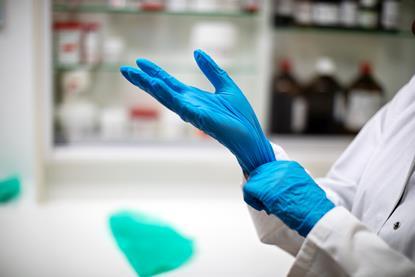
Lab glove deposits drive false microplastic signatures in atmospheric pollution samples
Researchers uncover contamination pathway that’s complicating efforts to understand how much plastic is in the air
 News
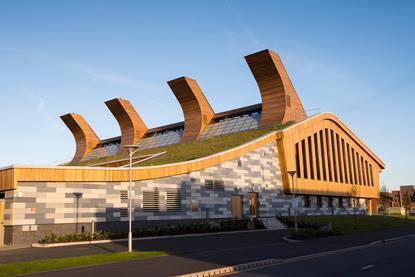
NewsHandbook of practical advice will help chemistry departments reduce environmental impact, save money
Collection of real-life examples aims to balance environmental and financial concerns
 Feature
How depolymerisation could enable infinite reuse of plastics
Nina Notman discovers how a type of chemical recycling – depolymerisation – could increase recycling rates, reduce plastic waste and enable a more circular economy
 News
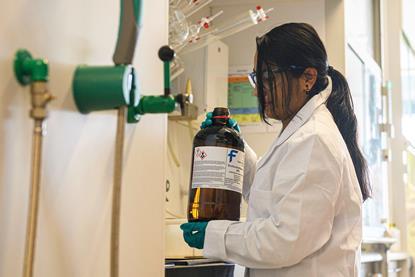
NewsStringent regulations on dichloromethane are forcing US labs to rethink use of common solvent
As broad ban on DCM is finalised, US labs have either abandoned the chemical or readied themselves for exposure monitoring in November
 Podcast
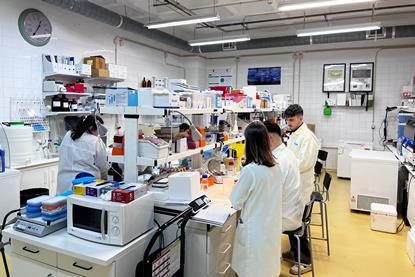
Vanadium-based medicines & sustainable labs
Vanadium-based medicines? We discuss the 23rd element’s little-known potential in pharmaceuticals. Plus, how labs across the UK are making achievable changes to increase their sustainability.
 Careers
How chemists are making laboratories more sustainable
A collection of articles sharing tips from researchers who reduced their environmental impact with support from the RSC’s Sustainable Laboratories grants
 Careers
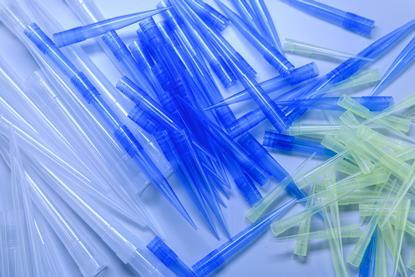
Sustainable laboratories: Reducing plastics
When to reuse plastic pipette tips and how to overcome psychological barriers to recyling single-use items
 Careers
Sustainable laboratories: Reducing water
How to adapt water cooling for water-stressed regions and investigate the carbon footprint of different circulation options
 Careers
Sustainable laboratories: Reducing energy
How to identify an efficient heating mechanism and implement energy-saving measures across the lab
 Careers
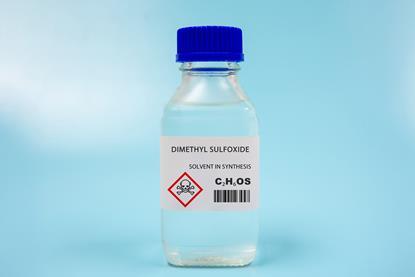
Sustainable laboratories: Cleaner solvents and substrates
How to identify greener replacements for DMF and recover ITO from glass substrates
 Careers
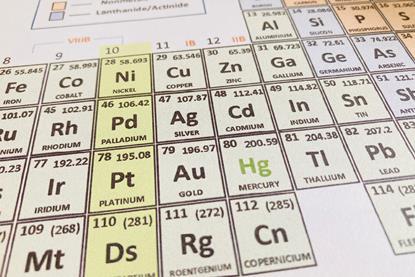
Sustainable laboratories: Recovering metals
How to scavenge platinum group metals from laboratory waste
 Careers
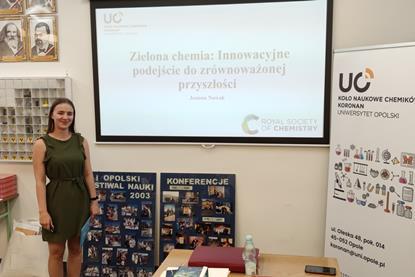
Sustainable laboratories: Best lab practice
How to encourage better environmental practices across a department and influence the next generation of researchers
 Research
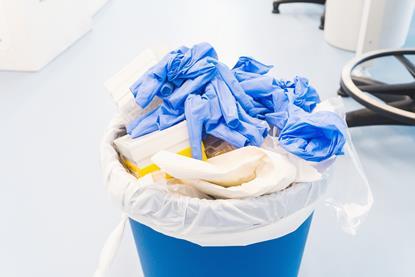
Modified nitrile rubber gets new lease of life as carbon capture material
Two teams are exploring scaling up processes that could tackle the 800,000 tonnes of glove waste created every year
 Opinion
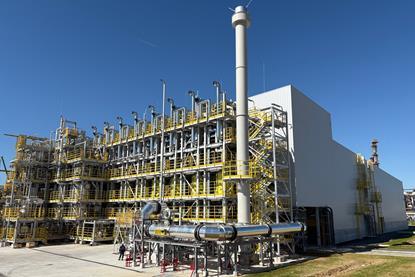
Chemical recycling of plastics rises as oil crisis continues
Recovering feedstocks from hard-to-recycle plastic is potentially important in a more circular plastic economy
 Research
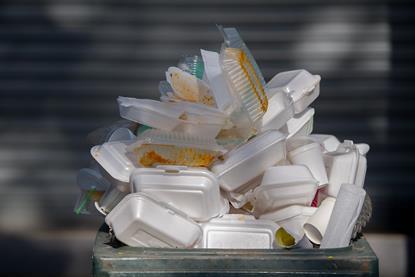
Sunlight-driven process upcycles polystyrene waste and elemental sulfur into valuable organic compounds
Products could be used as building blocks for semiconductor materials
 Opinion
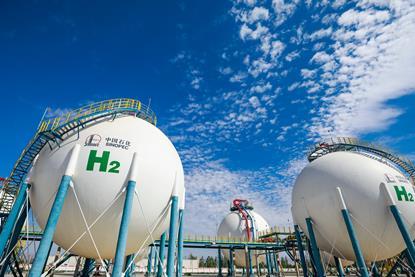
Hydrogen bubble’s squeaky pop
Were cancelled hydrogen production projects overly optimistic or commitments of convenience?